
Burt Lancaster: Film Noir Biography
Burt Lancaster brought a rare blend of physicality, vulnerability, and emotional depth to film noir, helping to redefine the genre’s male archetype. His screen presence was intense and brooding, often portraying men trapped by fate, violence, or their own flawed decisions. In his noir debut The Killers (1946), Lancaster immediately established himself as a powerful yet tragic figure—stoic, doomed, and oddly innocent. Unlike the smooth-talking antiheroes of early noir, Lancaster’s characters often radiated suppressed emotion, with a rawness that hinted at inner torment. He excelled at playing morally conflicted men: ex-convicts, small-time grifters, or corrupted dreamers trying to claw their way out of a bleak spiral. His athleticism added a sense of danger and desperation, whether he was on the run or on the edge. Lancaster was also willing to embrace roles that made him appear weak, desperate, or manipulated—traits that elevated noir’s themes of male fragility. He worked with some of the era’s best directors and wasn’t afraid to challenge Hollywood convention, choosing dark, psychologically complex material throughout his early career. His deep-set eyes and expressive face became hallmarks of noir intensity, capable of conveying pain, anger, and hopelessness without a word. Lancaster’s contributions helped shape noir’s evolution into a more modern, existential cinema—one that embraced inner conflict and moral collapse as central themes.
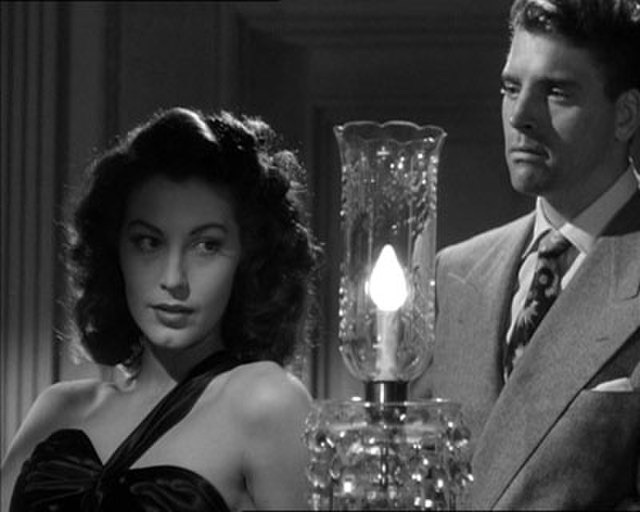
Burt Lancaster’s Film Noir Films (1940–1960):
The Killers (1946)
Brute Force (1947)
Criss Cross (1949)
Rope of Sand (1949)
Kiss the Blood Off My Hands (1948)
The Midnight Man (1949) (borderline noir)
The Sweet Smell of Success (1957) (dark urban noir with media corruption themes)
The Trap (1959)
Lancaster’s noir roles helped transform the genre from hard-boiled pulp to emotionally rich tragedy—making him not just a noir icon, but one of its most enduring symbols of fatal beauty.
 CLASSIC NOIR