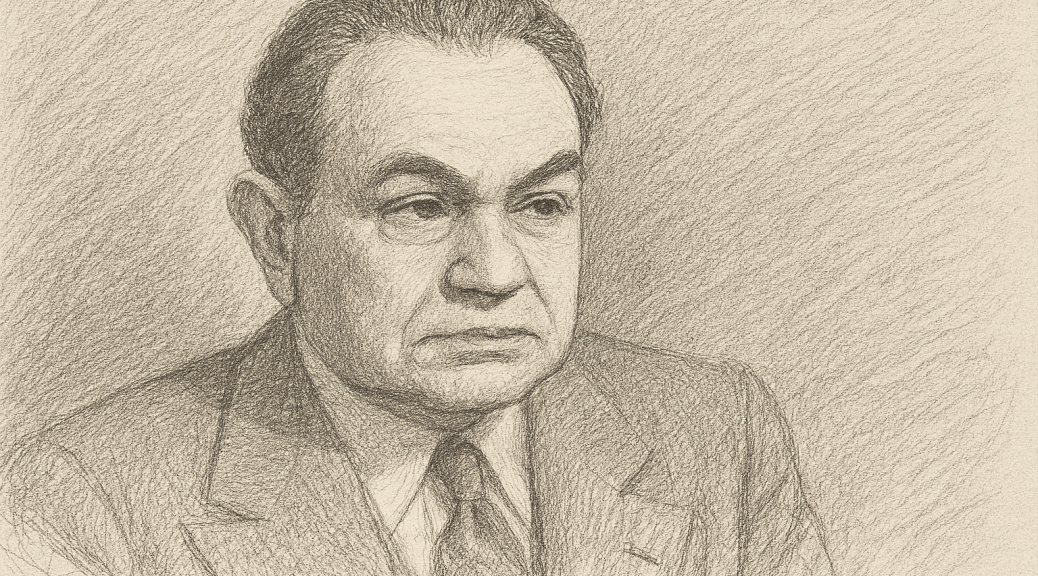
Edward G. Robinson: Film Noir Biography
Edward G. Robinson was a defining presence in the evolution of film noir, bringing a mix of gravitas, vulnerability, and quiet menace to the screen. Known for his early gangster roles, Robinson adapted perfectly to noir’s darker, more psychologically complex world in the 1940s and 1950s. His characters were often intelligent, morally conflicted men caught in webs of betrayal, obsession, or corruption. Robinson’s face—stern, expressive, and weary—became a perfect canvas for noir’s fatalistic tone. In classics like Double Indemnity, he wasn’t the criminal but the dogged investigator, driven by instinct and loyalty, embodying the ethical core of the genre. In films like Scarlet Street and The Woman in the Window, he played the everyman destroyed by passion and deceit, reflecting noir’s themes of weakness and downfall. He brought working-class authenticity to a genre often filled with glamorized crime and polished anti-heroes. Robinson never needed grand gestures—his tightly wound performances simmered with suppressed emotion and existential dread. As the genre matured, he evolved with it, portraying judges, detectives, and broken men with the same commitment to nuance and truth. His contributions helped establish noir not just as a style, but as a serious cinematic language for expressing postwar disillusionment.
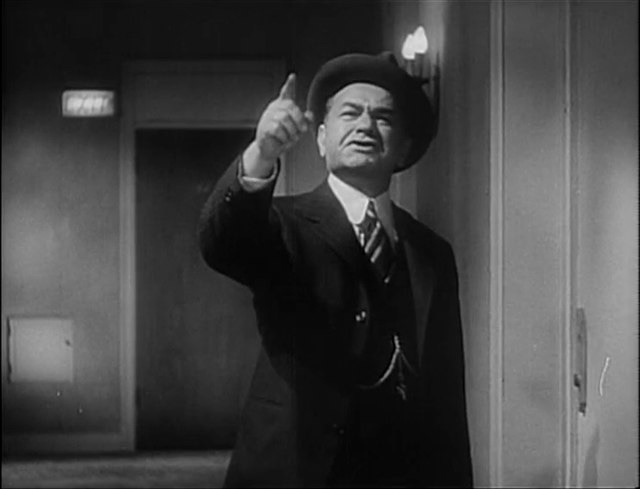
Edward G. Robinson’s Film Noir Films (1940–1960):
Double Indemnity (1944)
The Woman in the Window (1944)
Scarlet Street (1945)
The Red House (1947)
Key Largo (1948)
Night Has a Thousand Eyes (1949)
House of Strangers (1950)
The Sleeping City (1951)
Vice Squad (1952)
Illegal (1955)
The Killer Is Loose (1956)
Hell on Frisco Bay (1957)
A Hole in the Head (1959) (borderline noir)
Each role added another layer to the noir canon, and together they form a portrait of a man who helped shape—and elevate—the genre.
 CLASSIC NOIR