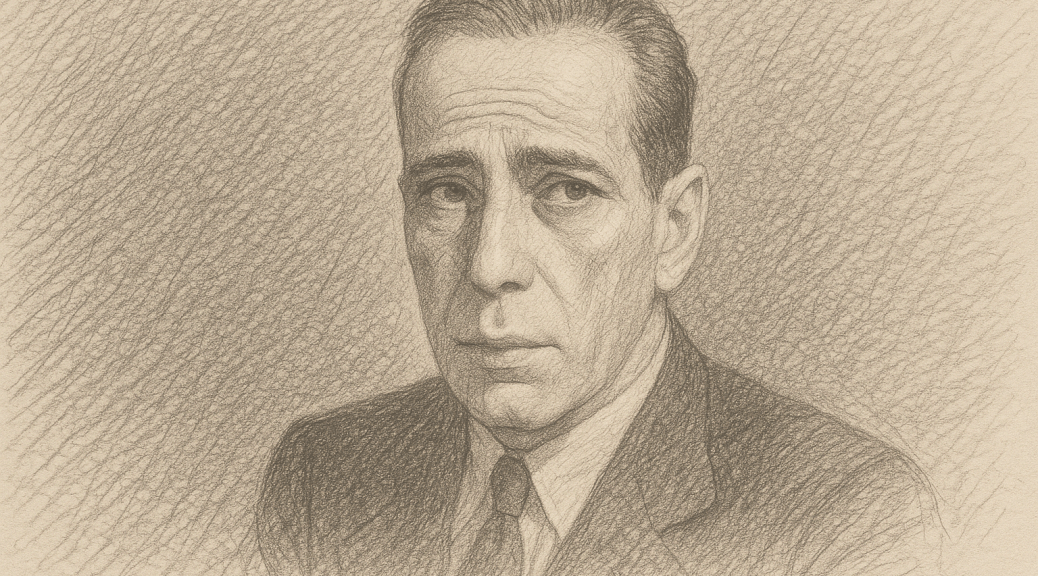
Humphrey Bogart: Film Noir Biography
Humphrey Bogart is the quintessential face of film noir—cool, cynical, and endlessly compelling. His transformation from supporting gangster roles in the 1930s to leading man in the 1940s aligned perfectly with the rise of noir. Bogart’s trademark blend of toughness and vulnerability made him the ideal noir protagonist: a man hardened by life, but still capable of honor and heartbreak. He often portrayed private detectives, ex-cons, or loners on the fringe of society—world-weary men who navigated a corrupt world by their own rough moral code. His performances in The Maltese Falcon and The Big Sleep set the standard for noir dialogue: fast, smart, and laced with mistrust. With his rumpled trench coat, cigarette in hand, and wary gaze, Bogart embodied noir style and substance. Yet beneath his gruff exterior was often a romantic or idealist undone by betrayal, obsession, or loss. He excelled at playing characters who kept their emotions hidden—until they couldn’t anymore. Bogart’s collaborations with directors like John Huston and Howard Hawks helped shape noir into something deeper than crime fiction—it became a vehicle for existential dread and postwar disillusionment. More than just a star of the genre, Bogart became its soul: wounded, watchful, and unforgettable.
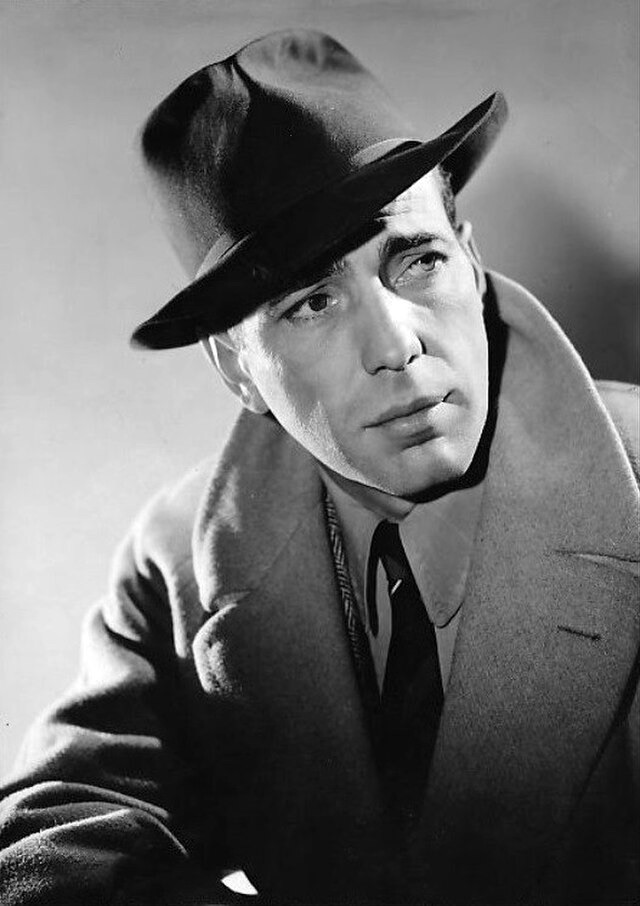
Humphrey Bogart’s Film Noir Films (1940–1960):
High Sierra (1941)
The Maltese Falcon (1941)
Across the Pacific (1942) (espionage noir elements)
To Have and Have Not (1944) (romantic noir)
The Big Sleep (1946)
Dead Reckoning (1947)
Dark Passage (1947)
Key Largo (1948)
In a Lonely Place (1950)
The Enforcer (1951)
Beat the Devil (1953) (parody of noir, but rooted in genre tropes)
These films not only defined Bogart’s legacy but helped crystallize the core elements of noir—cynicism, style, fatalism, and fractured ideals—making him one of the most enduring figures in cinema history.
 CLASSIC NOIR