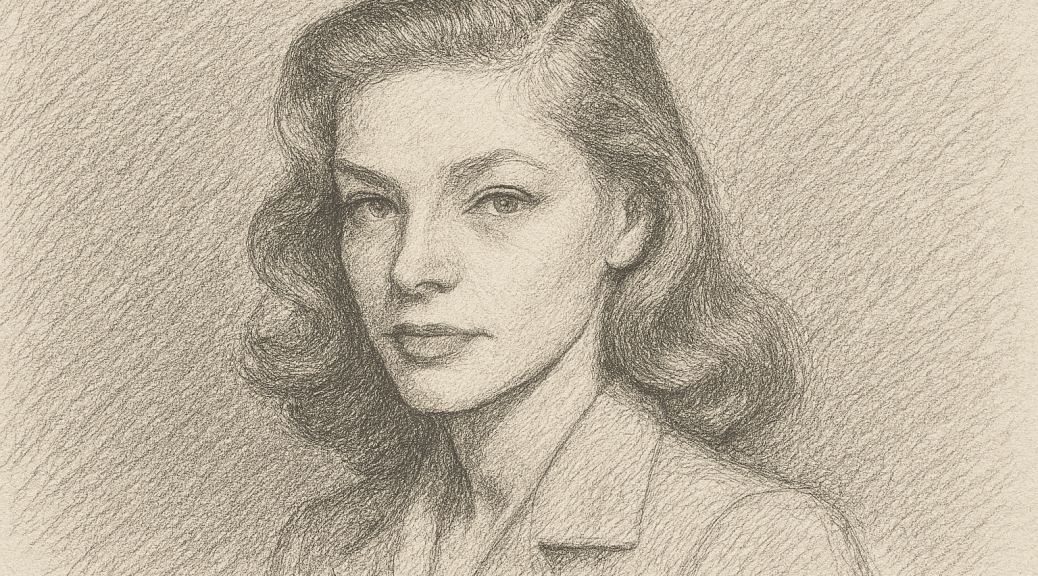
Lauren Bacall: Film Noir Biography
Lauren Bacall’s arrival in film noir was like a match struck in the dark—sudden, bold, and unforgettable. With her debut in To Have and Have Not (1944), she introduced a new kind of femme fatale: one who wielded wit and intelligence as deftly as allure. Bacall wasn’t the victim or the vixen—she was the partner, the challenger, the co-conspirator in the murky moral world of noir. Her low, smoky voice and steady gaze exuded cool confidence, a counterpoint to the nervous tension that pulsed through noir’s shadows. Unlike more tragic noir women, Bacall’s characters often held their own, matching Bogart’s tough guys line for line, threat for threat. Their on-screen chemistry helped redefine noir pairings, moving away from seduction and betrayal toward complex, layered partnerships. Bacall elevated the genre by injecting it with emotional intelligence and ironic detachment, showing that mystery didn’t require melodrama. She brought elegance to the gritty and grace to the cynical, proving that restraint could be more dangerous than rage. Her presence in noir films remains iconic not because she was prolific, but because she was elemental—each appearance a cornerstone in the architecture of the genre. Lauren Bacall didn’t just star in film noir—she helped shape its voice, one smoky line at a time.
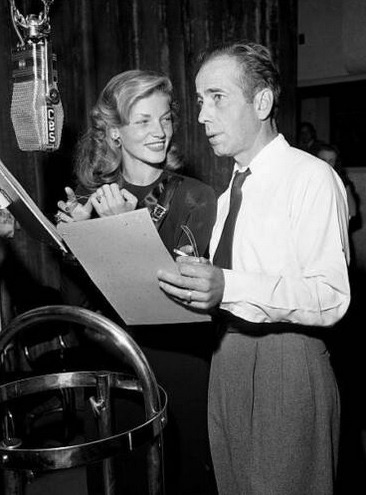
Lauren Bacall’s Film Noir Films (1940–1960):
To Have and Have Not (1944)
The Big Sleep (1946)
Dark Passage (1947)
Key Largo (1948)
Each film not only showcases Bacall’s formidable screen presence but also represents a defining moment in the evolution of American noir.
 CLASSIC NOIR