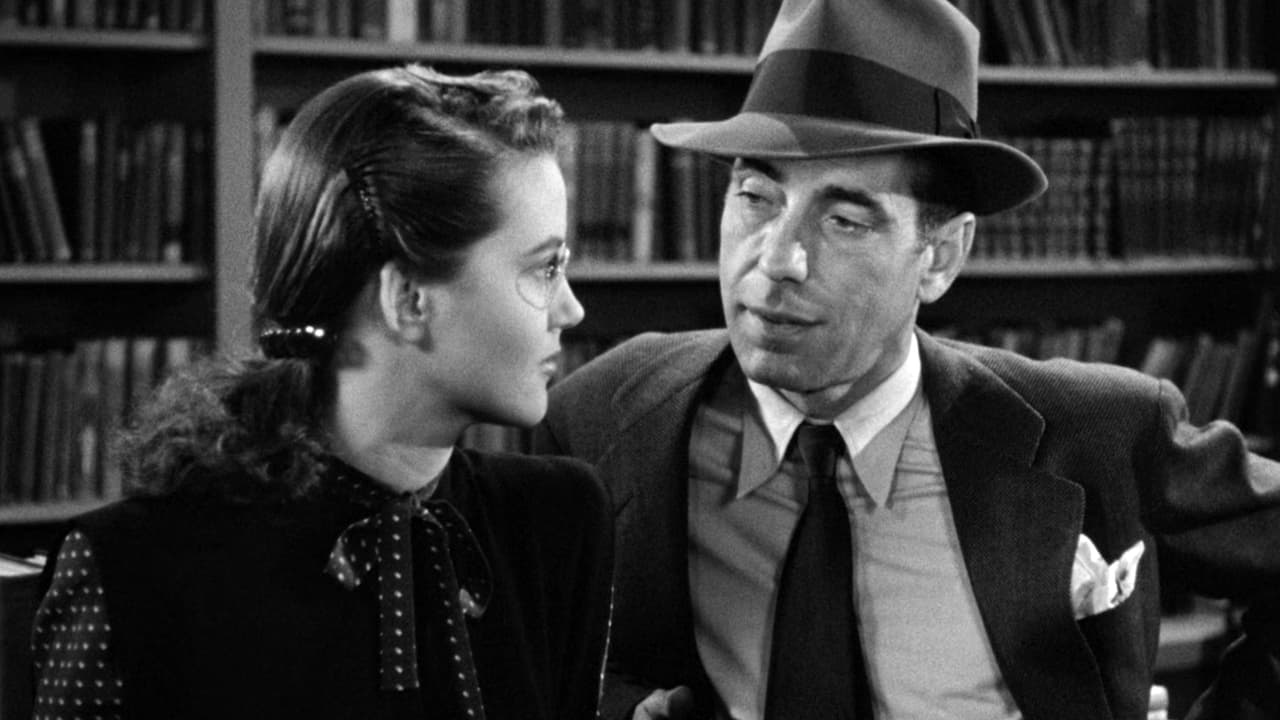
Film noir produced some of the finest critical writing in the history of cinema. It also produced some of the best films. Both deserve proper attention. These are our lists, the essential essays, and the books worth owning.
These are my opinions. Not critical consensus, not aggregate ratings, mine. Argue with me in the comments. That's the point.
The femme fatale is misunderstood. She isn't evil, she's effective. In a world run by men for men, she found the only lever available to her and pulled it.
The DP is noir's unsung auteur. Light is not decoration in this genre. It is moral argument. These eight films prove it.
Every one of these films is better than its reputation suggests. Some are as good as the masterpieces, they just didn't have the right studio, the right year, or the right luck.
The canon is not wrong about these films, they are good. But they are not as good as the conversation around them suggests. Say this at a film noir society meeting and see what happens.
Updated seasonally. No subscriptions required for any of these, Tubi, YouTube, and the Internet Archive put the canon within reach of anyone.
Every essay here is worth your time. Each one is annotated, not just described but argued with. Some I agree with completely. Some I think are wrong in interesting ways. That's the point of criticism.
The essay that gave critics a language for the genre. Schrader, who would go on to write Taxi Driver, argued that film noir was defined not by genre conventions but by tone and mood, identifying four cultural conditions that produced it: postwar disillusionment, the hard-boiled literary tradition, European émigré directors, and postwar realism. He also proposed four visual strategies that define the form.
Ebert's accessible and authoritative overview of the genre's recurring elements, the dark streets, the cigarettes, the dangerous women, the cynical detectives.
The British Film Institute's year-by-year selection of the finest noir from the classic era, with critical context for each film's place in the genre's development.
The seminal argument that existentialism, derived from the hardboiled literary tradition, provides the most coherent philosophical framework for understanding noir's worldview.
A wide-ranging examination of noir's European intellectual origins, the influence of German Expressionism, and the genre's relationship to Cold War American ideology.
The definitive critical consensus ranking of 100 classic noirs from 1940–1959, drawing on aggregate critical response across the genre's history.
The TCM Noir Alley host and pre-eminent noir scholar shares his personal selection of the twenty-five films that represent the genre at its creative peak, with commentary on each.
A philosophical examination covering ontological questions about genre classification, aesthetic considerations of fatalism, and the existentialist dimensions of the form.
An essay arguing for the essential relationship between the genre's black-and-white cinematography and its thematic content, that the visual style shapes the meaning, not merely illustrates it.
A Harvard thesis examining gender dynamics through The Maltese Falcon, Double Indemnity, and Out of the Past, how the femme fatale functions as a site of postwar anxiety about female independence.
A practical guide to noir's definition, visual style, character archetypes, and historical context aimed at filmmakers and students encountering the genre for the first time.
An academic examination of how noir's stylistic elements, chiaroscuro lighting, unconventional angles, fragmented narratives, function as social commentary on postwar American anxieties.
An illustrated guide to the great femme fatales of classic noir, examining how these complex female characters challenged gender norms while embodying postwar anxieties about female independence.
The books worth owning and the resources worth bookmarking. This is not a comprehensive bibliography, it's a curated shortlist. Everything here has earned its place by being genuinely useful rather than merely authoritative.