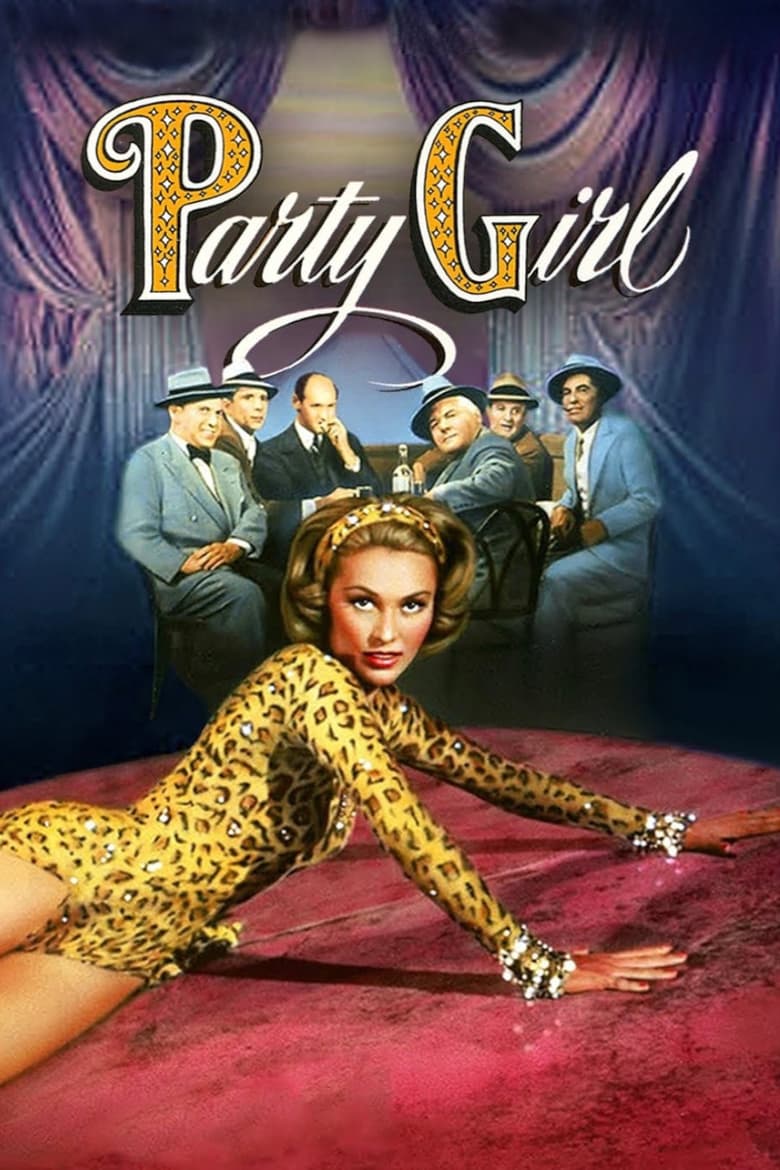
Chicago, the late 1920s. Tommy Farrell is a defense attorney who has built a career on keeping mob figures out of prison, his own physical disability – a legacy of childhood polio – having driven him toward the kind of influence money can buy when strength cannot. He works for Rico Angelo, a cold, methodical crime boss who runs the city's rackets with the patience of a man who has never needed to hurry. When Tommy meets Vicki Gaye, a nightclub dancer of ambiguous moral standing, he encounters someone navigating the same corrupt world by different but equally compromised means.
The relationship between Tommy and Vicki introduces the possibility of escape, but Rico regards loyalty as a permanent condition. As Tommy edges toward a legitimate life – aided by reform-minded attorney Jeffrey Stewart, who is building a case against the syndicate – Rico tightens his hold, using Vicki as leverage. Louis Canetto, Rico's volatile lieutenant, provides a second axis of danger, his own ambitions complicating the power structure from within. The film layers its central love story against the mechanics of organized crime with an attention to how institutional corruption deforms personal choice.
Party Girl belongs to the cycle of late-decade noir that absorbed the gangster picture's grammar and redirected it toward questions of complicity and moral rehabilitation. Ray frames the film as a study in what it costs to have made the wrong choices for long enough that they have become identity, and whether that cost can ever be paid down. The studio setting is handled with a stylization that keeps the film at a deliberate remove from documentary realism, placing it closer to moral fable than social exposé.
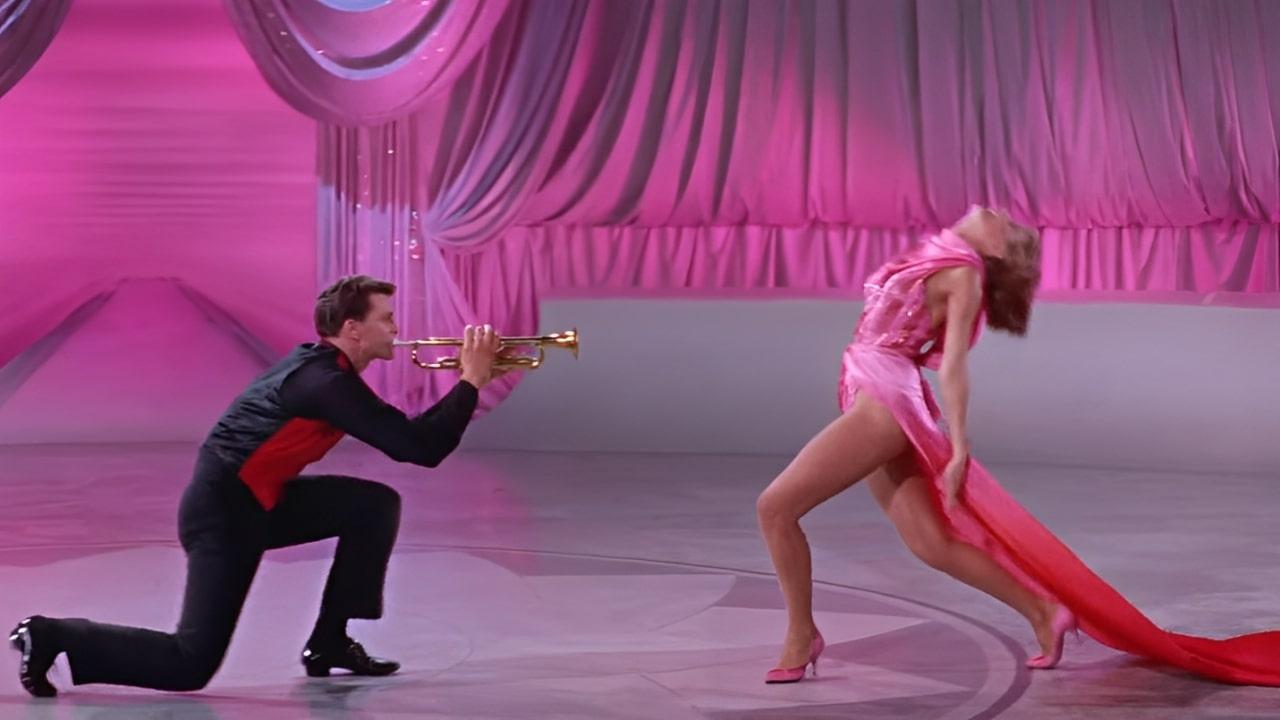
Party Girl arrived in 1958 at the far edge of classical noir's productive period, and its reputation has always been complicated by its MGM gloss and the presence of Cyd Charisse, whose association with MGM musicals led some critics to dismiss the film as category confusion. That reading misses what Nicholas Ray is doing. The film is not trying to pass as a gritty urban document; it is working in a register closer to melodrama's studied artificiality, using color and studio space to externalize psychological states that a rougher production might have buried in shadow. Lee J. Cobb's Rico is one of the period's more precisely calibrated mob portraits – authoritative without being theatrical, dangerous in the way that administrative power is dangerous. Robert Taylor, long underestimated, brings a genuine ambivalence to Farrell that the role requires. The film does not rank with Ray's most personal work, but it demonstrates how a director of his intelligence could inhabit a commercial assignment and leave a recognizable signature on it.
– Classic Noir
Ray and cinematographer Robert J. Bronner stage the sequence in a high-contrast interior that isolates figures against deep shadow, the color palette shifting from the warm amber of the party setting to something colder and more clinical as Rico's rage becomes operational. The camera holds on Cobb's face long enough to register not fury but calculation, and the throw itself is filmed with a restraint that makes it more disturbing than spectacle would allow. The light catches the arc of liquid before it falls, a brief iridescence that the film does not linger on.
The scene crystallizes the film's central argument about power: Rico does not lose control, he exercises it, and the violence visited on Genevieve is a message directed at Tommy. Vicki's presence in the sequence positions her as the object of an exchange she has no voice in, and her reaction – controlled, frightened, measuring – confirms that she has always understood the terms of the world she inhabits even when Tommy has preferred not to.
Robert J. Bronner shoots Party Girl in CinemaScope and Metrocolor, and the wide frame creates compositional problems that he resolves by treating depth as moral distance – characters who share the frame are rarely in the same ethical register, and Bronner uses blocking and lens choice to keep that separation legible. The nightclub sequences employ a warm, diffuse light that flatters performance while implying the artificiality of the environment, whereas Rico's spaces are lit with harder sources that produce sharper shadows and less flattering angles. The studio setting, rather than being a liability, allows Bronner to control every gradient; there is nothing accidental in the palette. The film's most expressive visual choices involve the use of foreground objects to partially obscure characters at moments of moral compromise, a technique that externalizes interiority without recourse to voiceover or reaction shots.
TCM holds rotating rights to a number of MGM-era titles and remains the most reliable broadcast source for Party Girl in a properly framed widescreen presentation.
Amazon Prime VideoRentalAvailable for digital rental in HD; confirm current availability before seeking, as catalog rights for late-decade MGM titles shift periodically.
TubiFree with AdsTubi has carried the title intermittently; picture quality varies and the aspect ratio should be verified before viewing.