Treasury agent John Riggs is assigned to infiltrate a sophisticated counterfeiting operation centered in Los Angeles. Assuming the identity of Nick Starnes, a small-time grifter, Riggs works his way into the orbit of Reggie, a mid-level fixer with connections to the ring's upper tier. The operation is disciplined and compartmentalized, and Riggs must earn trust slowly, navigating a world where a misplaced word or a recognized face can end a cover permanently.
Nora Craig, a woman entangled with the syndicate's principals, becomes both an asset and a liability for Riggs. Her loyalties are not fixed, and the film takes care to leave her motives ambiguous longer than comfort allows. Eugene Deane, the operation's controlling intelligence, operates at a remove from the street-level work, and reaching him requires Riggs to compromise his position incrementally – each step inward another step away from the man he started as.
Southside 1-1000 belongs to the semi-documentary procedural cycle that followed T-Men and He Walked by Night, trading expressionist shadow for institutional detail and operational rhythm. The counterfeiting milieu gives the film a particular texture: the crime is economic, almost bureaucratic, and the atmosphere of false paper and false identities extends naturally to its protagonist, a man whose professional obligation is to become someone else entirely.
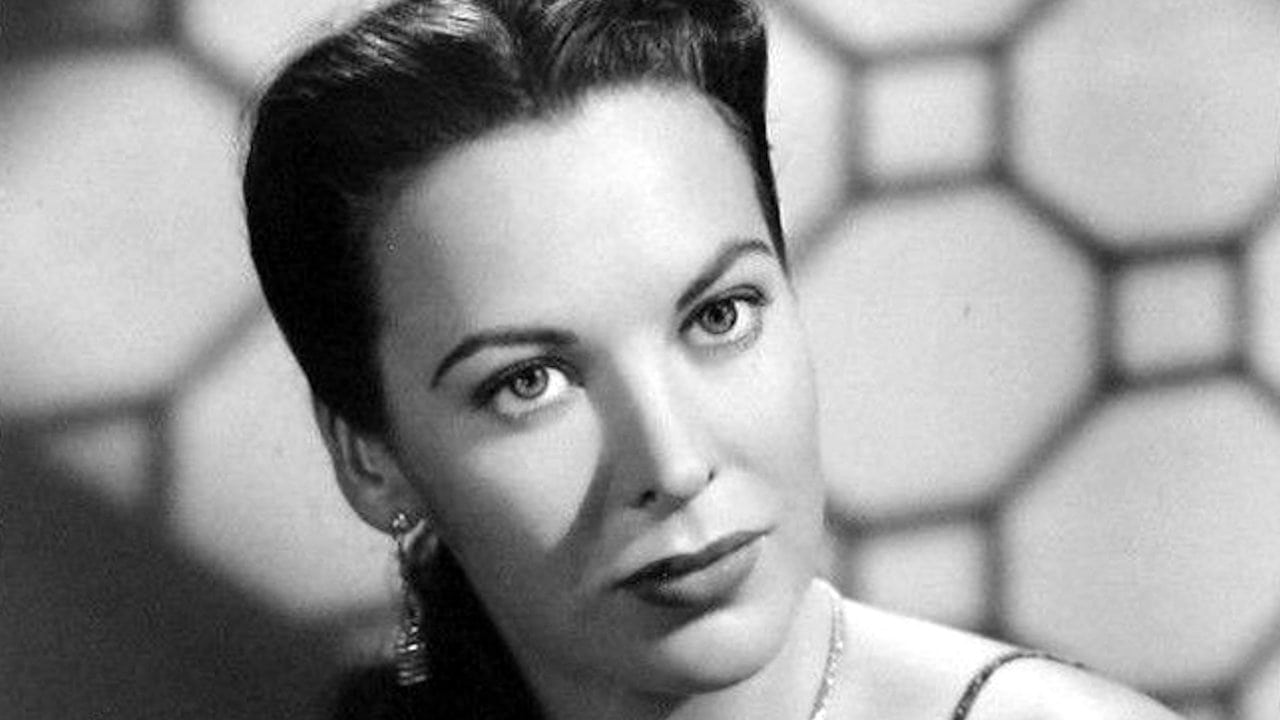
Southside 1-1000 sits at a specific and underexamined intersection in the postwar crime film: the federal procedural dressed in noir clothing. Boris Ingster, who had directed the genuinely strange Stranger on the Third Floor a decade earlier, brings a workmanlike discipline here that is quite different from that film's expressionist fever. The semi-documentary framing – narrated, location-inflected, procedurally detailed – owes its method to Anthony Mann's T-Men, and the comparison is instructive. Where Mann's film generated tension from physical vulnerability and moral cost, Ingster's is cooler, more concerned with institutional process than with the psychological erosion of undercover work. Don DeFore, not a performer associated with existential weight, plays Riggs with a controlled competence that suits the film's register without quite transcending it. What Southside 1-1000 reveals about its era is the anxiety around authenticity and forgery – literal counterfeiting as a figure for a postwar culture preoccupied with infiltration, false fronts, and the instability of documented identity.
– Classic Noir
Russell Harlan frames the counterfeiting press in deep focus, the machinery occupying the foreground as Riggs moves through the background in soft partial shadow. The practical light source – a single overhead lamp over the press bed – casts a hard pool that bleaches the printed bills into near-abstraction while leaving the faces of the men operating the equipment in half-tone. Harlan holds the composition long enough to let the mechanical rhythm of the press impose itself on the scene's pacing, the frame organized around labor rather than confrontation.
The scene does quiet but precise work on the film's central argument: that the criminal enterprise Riggs has entered is not glamorous but industrial, its violence economic rather than physical. The forged bills moving through the press are formally identical to genuine currency, and the camera's refusal to editorialize – no distorting angle, no intrusive shadow – means the moral distinction exists only in knowledge Riggs carries alone. It is the film's most concentrated image of the undercover condition.
Russell Harlan, whose career ran from Westerns through to To Kill a Mockingbird, brings to Southside 1-1000 a cinematographic sensibility shaped by location work rather than studio artifice. Shooting on and around Los Angeles streets and interiors, Harlan uses available architectural geometry – doorframes, industrial windows, the horizontal bands of venetian blinds – as natural light modulators rather than reaching for elaborate rig setups. The result is a visual texture that reads as documentary without sacrificing compositional control. Shadow work is functional rather than decorative: darkness marks danger zones and withheld information rather than serving as a stylistic signature. Harlan's lens choices favor moderate focal lengths that keep the environment legible around the characters, reinforcing the procedural film's insistence that place and institution matter as much as individual psychology. The counterfeiting settings – print shops, back offices, nondescript commercial interiors – are photographed with the same even attention Harlan brings to the street scenes, denying the criminal world any visual glamour that might complicate the film's federal-agency perspective.
Tubi has carried a number of Allied Artists titles from this period and is the most likely free streaming source for this film, though availability should be confirmed.
Archive.orgFreeAs a lower-tier Allied Artists production from 1950, this title may have entered the public domain and could be accessible via the Internet Archive in a watchable transfer.
Amazon Prime VideoSubscriptionAmazon's rotating catalog of classic crime films occasionally includes Allied Artists titles; availability varies by region and period.