Films People Pull a Fast One Night Beat Reading Room On TV Shop
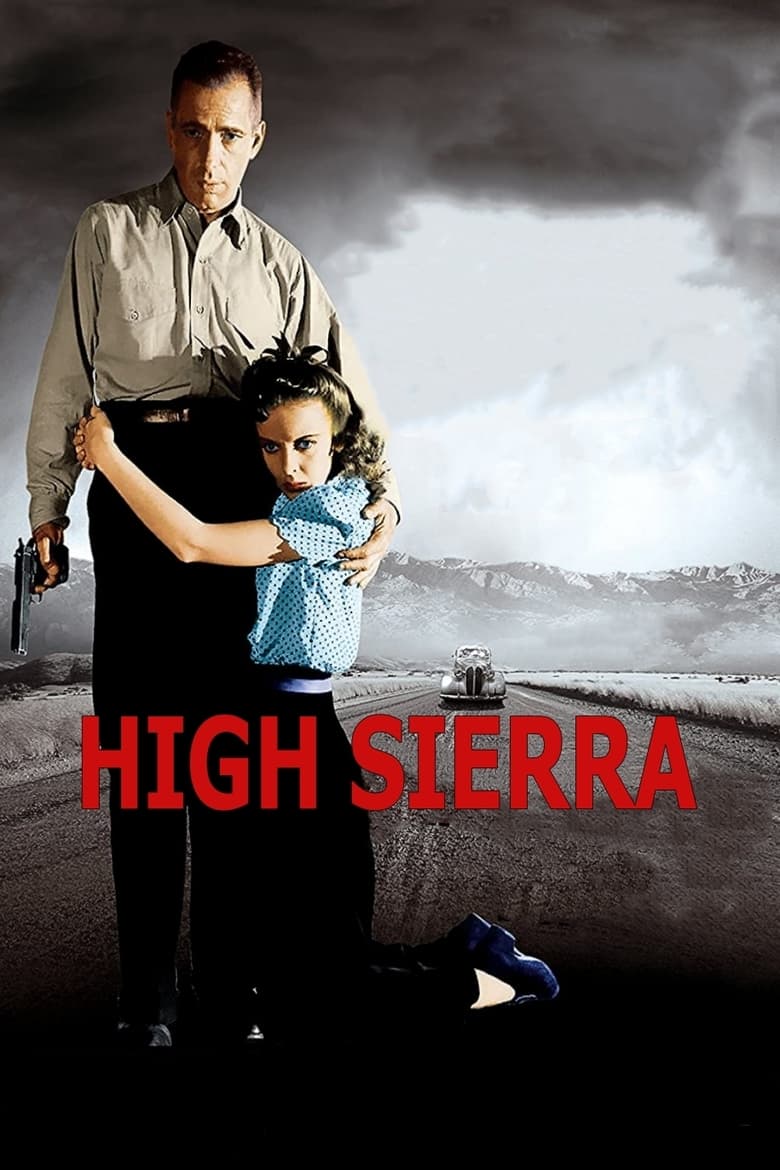
High Sierra 1941
1941 Warner Bros. Pictures
★★★☆☆ Notable
Film Noir · 100 minutes · Black & White

High Sierra

Directed by Raoul Walsh
Year 1941
Runtime 100 min
Studio Warner Bros. Pictures
TMDB 7.1 / 10
"A man steps out of prison and back into the only life that will have him."

Roy Earle (Humphrey Bogart) is a veteran bank robber paroled from an Indiana penitentiary through the influence of an aging crime boss, 'Doc' Banton (Henry Hull). Sent west to the Sierra Nevada, Earle is tasked with organizing a resort hotel robbery alongside two younger, less disciplined thieves – Babe (Alan Curtis) and Red (Arthur Kennedy). Along the way he encounters Pa (Henry Travers) and his granddaughter Velma (Joan Leslie), a club-footed young woman whose plight stirs something paternal and romantic in the hardened criminal.

The complication of Earle's feelings for Velma – a sentiment she does not return – runs parallel to his growing bond with Marie (Ida Lupino), a young woman drifting in the orbit of the same criminal world. Marie understands Earle with a clarity Velma never could, yet Earle is slow to recognize what is directly in front of him. The heist, when it comes, is ragged and costly, and the law begins to close in, transforming a robbery picture into something more searching: a portrait of a man who has lived too long outside the law to survive within its borders.

High Sierra positions itself at the junction between the gangster film of the 1930s and what noir would become across the following decade. The landscape itself – first the flat Midwest, then the mountains of California – functions as moral terrain, and the film's final movement on the high peaks strips away any remaining ambiguity about whether a man like Earle can find a place in the world. Walsh works with a script co-written by W.R. Burnett and John Huston that refuses sentiment even as it earns its elegiac register.
Classic Noir

High Sierra arrives at a precise transitional moment in American crime cinema. The film is formally grounded in the Warner Bros. gangster tradition – urban loyalties, institutional betrayal, the doomed professional criminal – yet its emotional grammar and its use of landscape already point toward the fatalism that would define noir proper. Bogart, in a role that redefined his career, brings a weathered interiority that the studio's earlier genre work rarely permitted; this is not Cagney's furious energy but something slower and more resigned. Lupino is equally significant: Marie is no femme fatale but a woman of clear moral perception placed in an environment that gives her no good choices, and Lupino plays the role with an economy that directors like Walsh knew how to use. Tony Gaudio's cinematography – particularly in the Sierra location work – introduces a spatial vastness into what might otherwise have been a studio-bound genre exercise, and that vastness has consequences for how the film reads its protagonist's freedom and entrapment. High Sierra is not the summit of noir but it is one of the genre's most legible thresholds.

– Classic Noir
3 ★★★☆☆ Notable
Credits

The Crew

DirectorRaoul Walsh
ScreenplayW.R. Burnett
CinematographyTony Gaudio
MusicAdolph Deutsch
EditingJack Killifer
Art DirectionTed Smith
CostumesMilo Anderson
Performances

The Cast

Close Reading

The Signature Scene

High Sierra – scene
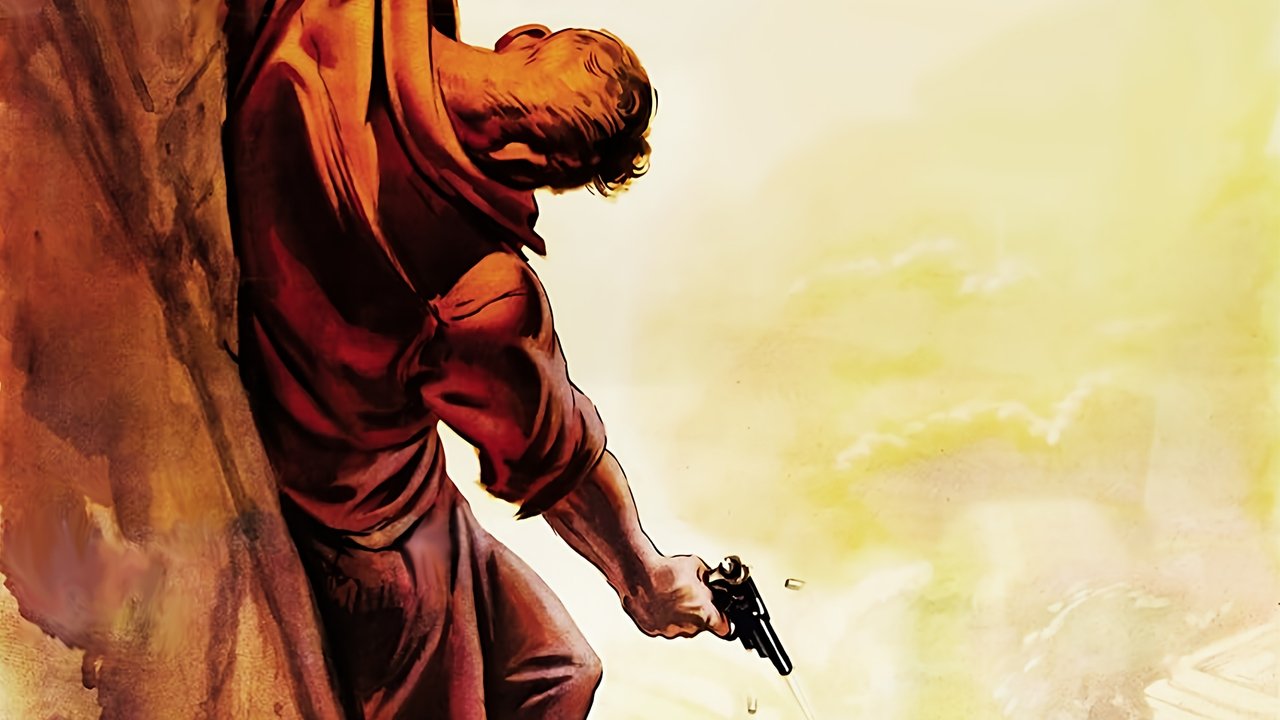
The Final Ascent One Man, Open Rock

In the film's closing sequence, Tony Gaudio's camera works the Sierra Nevada landscape with a deliberate shift in scale. As Earle moves up the rock face, the frame widens and the figure diminishes – a visual grammar of exposure rather than heroism. The light is high and indifferent, the kind of flat California daylight that casts almost no sheltering shadow. Long lenses compress the distance between the climbing man and the riflemen below, flattening the space in a way that removes any sense of escape. There is nowhere for the image to hide, and the composition makes that fact geometric.

The scene's argument is not about violence but about visibility: Earle, who has spent his adult life operating in the margins and the dark, dies fully in the open, seen by everyone, reduced to a target in a bright landscape. What the sequence reveals is the film's central logic – that the world outside the law is not freedom but a different and more complete form of confinement. Marie's scream below confirms what the wide shot has already established: the last place left for Roy Earle is one with no cover at all.

Visual Language

The Cinematography

🎞️
Tony Gaudio – Director of Photography

Tony Gaudio's work on High Sierra is defined by the tension between two opposing visual registers. In the resort and roadside interiors, Gaudio relies on the controlled low-key lighting that Warner Bros. had refined across a decade of crime pictures – hard sources, compressed shadow, faces emerging from backgrounds that absorb rather than reflect light. The moral atmosphere of those scenes is manufactured in the contrast ratio. The location footage in the Sierra Nevada introduces an entirely different problem: natural daylight on exposed terrain, where shadow work is limited and depth becomes the primary tool. Gaudio uses the mountain scenery not as spectacle but as a slow-building argument about space and exposure, intercutting the constrained interiors with the openness of the high country in ways that make the final sequence feel like an inevitable formal resolution rather than a chase. The two visual languages – studio shadow and location light – enact the film's larger claim that for a man like Earle, neither environment offers protection.

In the Catalogue

Themes & Motifs

Availability

Where to Watch

Also in the Directory

See Also