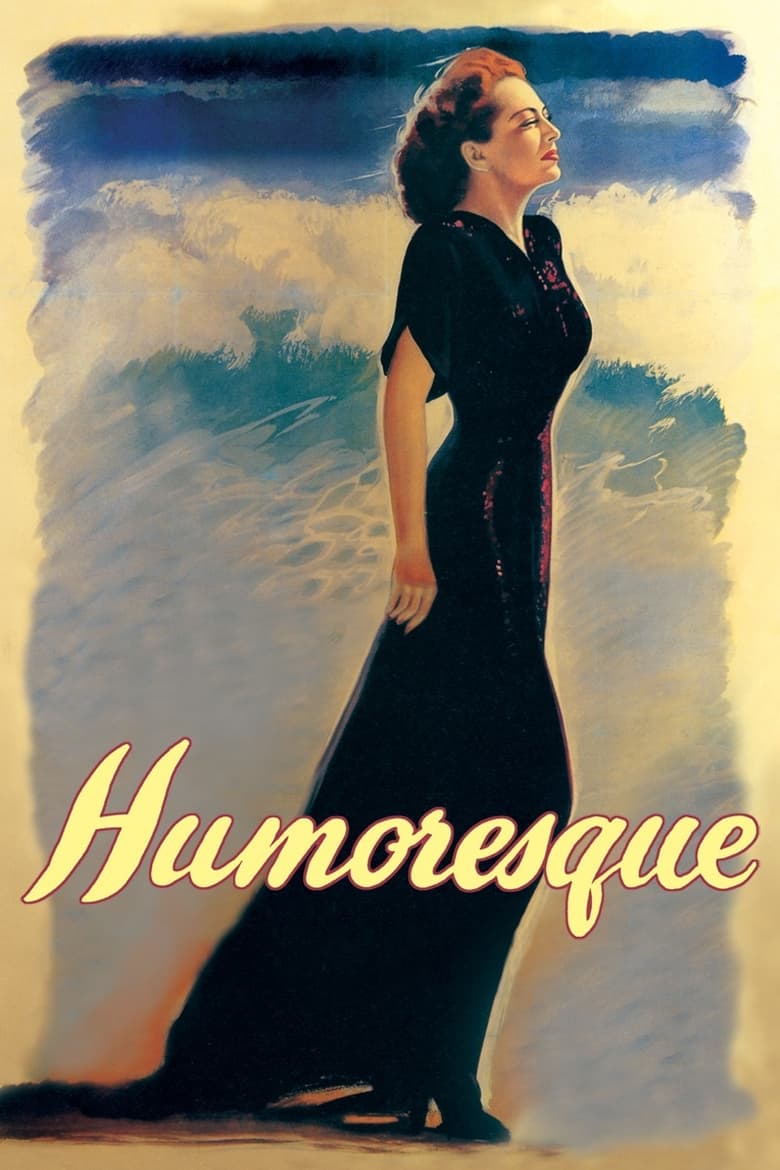
On the Lower East Side of New York, Abraham Kantor runs a modest shop and raises his children in conditions of careful frugality. His wife, Mama Kantor, is the engine of the household – watchful, determined, her love expressed through labor and expectation. When young Leon demonstrates a rare gift for the violin, Mama redirects every spare resource toward his cultivation, sensing in his talent a passage out of the tenement world that has defined the family's limits.
Leon grows into a serious young musician, ambitious and increasingly drawn toward a life the neighborhood cannot contain. His path crosses that of Gina Berg – born Minnie Ginsberg, now reinvented by wealth and a certain calculated distance from her origins. The relationship between them is freighted with class tension and mutual need: she offers access and refinement; he offers the authenticity she has spent years suppressing. Between them stands Mama Kantor, whose devotion to Leon is indistinguishable from possession.
Humoresque occupies an early position in the tradition of films that locate fatality not in crime but in aspiration itself. The noir current here runs through domestic space – the cramped apartment, the concert hall's false promise, the woman whose transformation from Minnie to Gina encodes everything the film has to say about the cost of becoming someone else. The story measures what is gained and what is quietly surrendered in the pursuit of a life beyond one's origins.
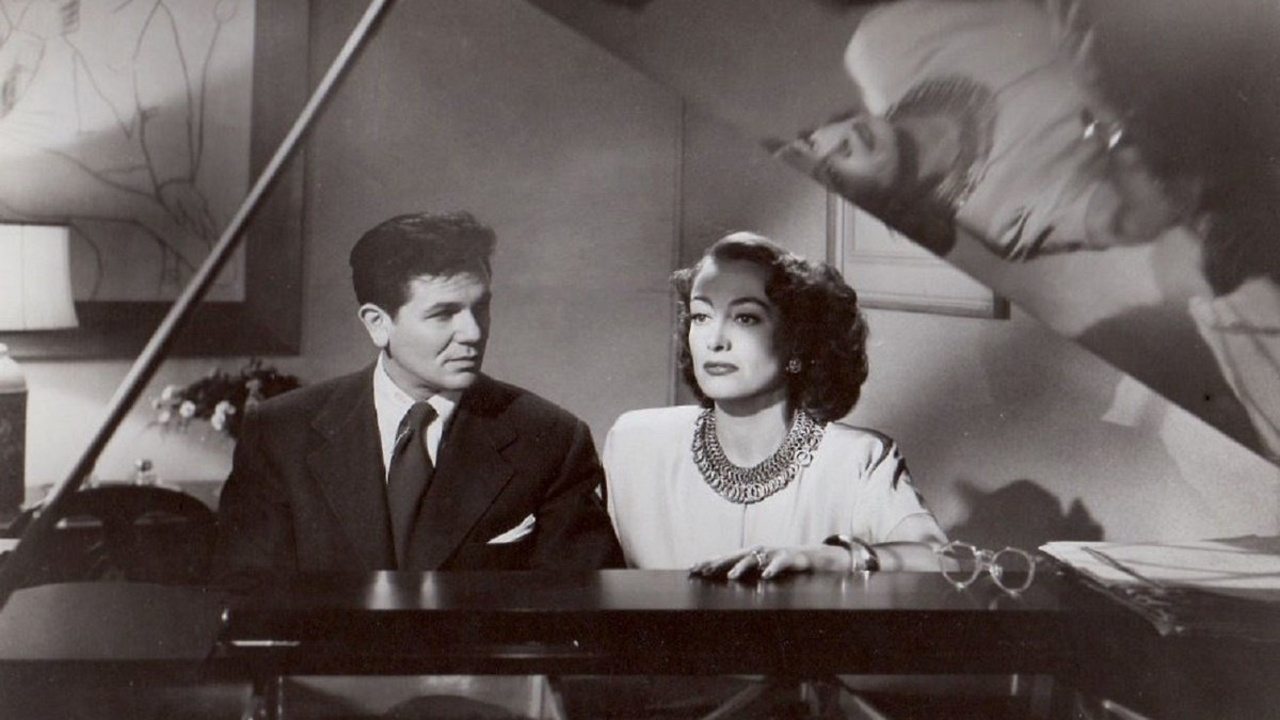
Frank Borzage's 1920 adaptation of Fannie Hurst's story predates the noir cycle proper, yet it anticipates several of the genre's structural preoccupations with enough precision to warrant serious attention from genre scholars. The film's central tension – maternal devotion as a form of suffocation, ambition as a route toward self-erasure – recurs throughout the darker melodramas of the 1940s. Alma Rubens's Gina Berg is a figure the later cycle would recognize immediately: a woman who has rewritten her identity and cannot fully inhabit the revision. Vera Gordon's performance as Mama Kantor carries the picture's moral argument, her love rendered as something genuinely overwhelming rather than simply warm. Borzage, working at Cosmopolitan Productions under the Hearst organization's resources, brings a visual sobriety to immigrant life that resists sentimentality without abandoning sympathy. Gilbert Warrenton's photography frames the tenement world with an economy that serves the story's moral logic. The film belongs to the silent melodrama tradition but plants seeds that the noir cycle would cultivate for the next three decades.
– Classic Noir
Warrenton positions the camera at a slight remove from the domestic interior, framing Mama Kantor in the foreground while Leon performs in the middle distance. The light sources are practical – a window to one side, the dim interior absorbing detail at the edges – so that the faces emerge from near-darkness rather than being lit for sentiment. The composition places mother and son in the same frame but separates them by depth, a distance the camera refuses to close.
The scene crystallizes the film's argument about love and ownership. Mama's expression is not simply proud; it carries something watchful, proprietary, as though the music itself belongs to her investment in it. Leon plays without acknowledging her gaze. The gap between them – physical in the frame, emotional in the story – establishes the fault line along which the rest of the narrative will fracture. What looks like a scene of familial warmth is also a scene about the limits of another person's dream.
Gilbert Warrenton's work on Humoresque operates within the conventions of American silent cinematography while pressing against their softer tendencies. Where the period default leaned toward diffused portraiture and decorative lighting, Warrenton maintains a harder edge in the tenement sequences – narrower light sources, less fill, shadow allowed to accumulate in corners and doorways in ways that acknowledge the material conditions of the story's world. Studio construction of the Lower East Side sets is evident, but Warrenton treats the artifice with discipline, resisting the temptation to glamorize poverty. His lens choices favor middle-range focal lengths that preserve spatial relationships within the domestic interior, keeping characters in legible proximity to their environment rather than isolating them against it. The concert hall sequences shift register, broader and more formally lit, which serves the narrative's implicit argument: the world Leon enters is brighter and less honest than the one he comes from. The film's moral logic is written, in part, in the difference between those two lighting grammars.
The film is in the public domain and available in full via the Internet Archive, making it the most direct route to the picture without a subscription.
KanopyFree with library cardKanopy's print quality for silent-era titles can vary, but its access model – free through participating public libraries – makes it a practical option.
Criterion ChannelSubscriptionAvailability here is unconfirmed; prospective viewers should verify current listings, as Criterion's silent and pre-Code holdings shift periodically.