Films People Pull a Fast One Night Beat Reading Room On TV Shop
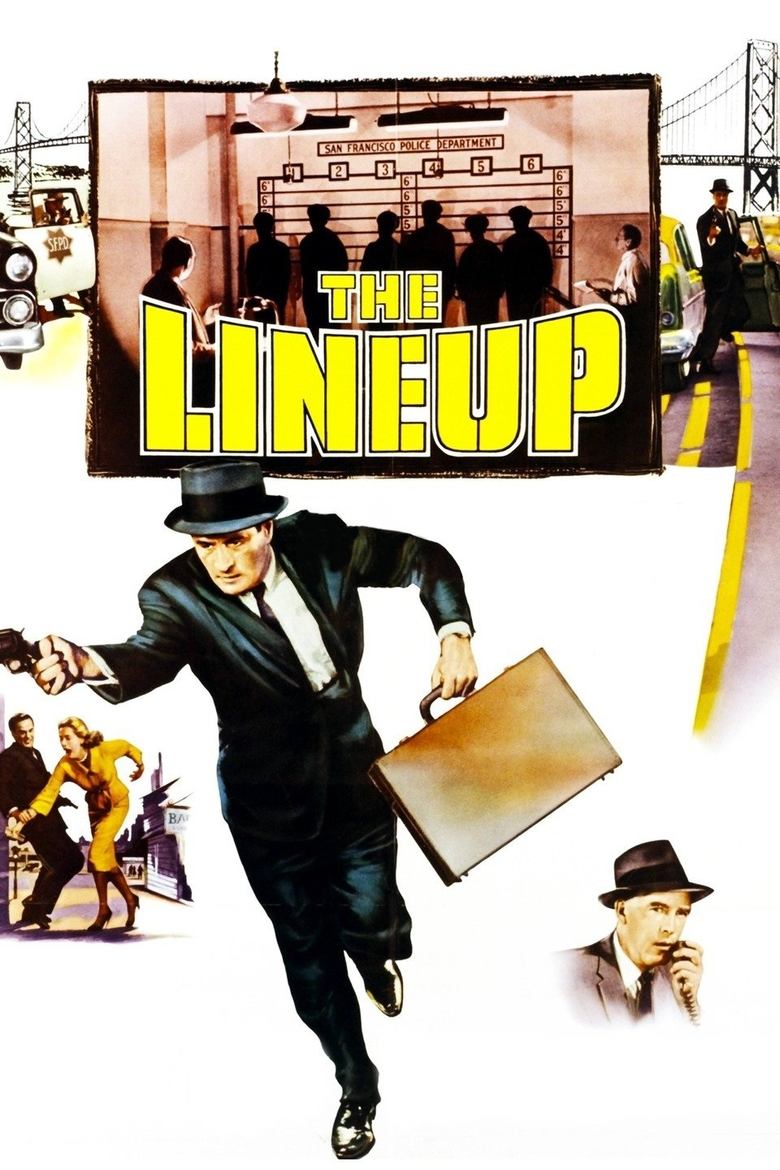
Lineup 1958
1958 Pajemer Productions
★★★☆☆ Notable
Film Noir · 87 minutes · Black & White

Lineup

Directed by Don Siegel
Year 1958
Runtime 87 min
Studio Pajemer Productions
TMDB 7.1 / 10
"A city becomes a corridor, and at its end, a man with nothing left to lose."

San Francisco is the setting, and heroin is the currency. When a series of unwitting tourists arrive at the city's airport carrying drugs they do not know they are transporting, the police – led by the methodical Inspector Al Quine and his partner Fred Asher – begin tracing the pipeline back to its source. The smuggling operation is intricate and cold-blooded, relying on civilians as mules and on the city's familiar rhythms as cover.

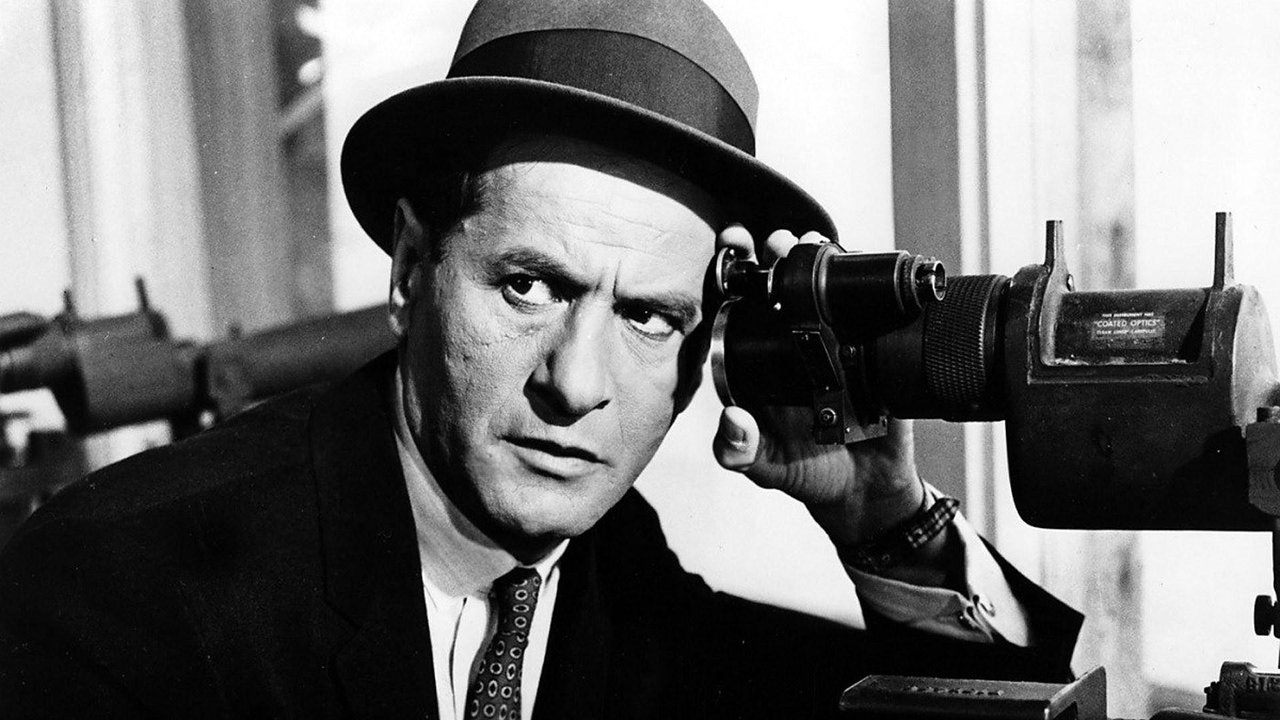
Dispatched to collect the shipment and deliver it to an unseen syndicate boss known only as The Man is Dancer, a professional killer played by Eli Wallach with an unnerving, almost clinical calm. Alongside him is Julian, an older, philosophical figure who records the dying words of Dancer's victims in a notebook – a grotesque habit that functions as both character study and moral horror. Completing the trio is the young wheelman Sandy McLain, whose eagerness begins to fray as the assignment grows more complicated and the margins for error disappear.

The film operates as a procedural on one track and a character study on another, and the tension between those two modes gives it its particular texture. Dancer is not romanticized; he is precise and remote, a instrument of the syndicate rather than a rebel against it. Don Siegel uses San Francisco not as backdrop but as participant – its freeways, ice rinks, and museum corridors pressed into service as a landscape of entrapment where ordinary American life and organized criminal violence share the same geography.
Classic Noir

The Lineup sits at an interesting pressure point in late-1950s crime cinema, arriving at the moment when the procedural form – inherited from radio and early television – was being absorbed into theatrical noir without fully surrendering either tradition. Don Siegel, already developing the economical, unsentimental style that would define his career, treats the film as a dual organism: the police investigation occupies one half with the detached efficiency of a documentary, while Dancer's trajectory occupies the other with something closer to existential portrait. Wallach's performance is the film's genuine achievement, stripping the professional killer of charisma and substituting precision and a barely concealed volatility. Robert Keith's Julian introduces a philosophical perversity that the script uses sparingly but to considerable effect. The San Francisco locations, shot largely on actual streets and public spaces, give the film a texture that studio-bound crime pictures of the period could not replicate, grounding its moral argument – that violence is quotidian, embedded in the city's daily circulation – in verifiable geography.

– Classic Noir
3 ★★★☆☆ Notable
Credits

The Crew

DirectorDon Siegel
ScreenplayStirling Silliphant
CinematographyHal Mohr
MusicMischa Bakaleinikoff
EditingAl Clark
Art DirectionRoss Bellah
ProducerJaime Del Valle
Performances

The Cast

Close Reading

The Signature Scene

Lineup – scene
The Sutro's Musuem Ramp The Car Without Brakes

The film's climactic sequence unfolds inside the skeletal concrete ramps of the since-demolished Sutro's at Land's End, a location that gives Hal Mohr's camera an architecture of pure geometry – spiraling inclines, open sides, the gray Pacific visible beyond. Siegel shoots the car's descent in tight, functional cuts: the windshield framing the approaching edge, hands on a wheel that no longer responds, the ramp's concrete barrier arriving with no dramatic preparation.

The scene functions as the film's moral summary. Dancer, a man who has operated with absolute control throughout, is undone not by the police but by the consequences of his own assignment collapsing inward. The location – a pleasure ground turned killing ground – encapsulates the film's argument that the ordinary surfaces of American civic life are thin, and that beneath them the machinery of violence operates without sentiment or ceremony.

Visual Language

The Cinematography

🎞️
Hal Mohr – Director of Photography

Hal Mohr's work on The Lineup is defined by its resistance to expressionist convention. Where noir cinematography of the previous decade often used shadow as symbolic architecture, Mohr opts for a harder, more naturalistic light – the flat gray luminosity of the San Francisco overcast, the fluorescent wash of public spaces, the unforgiving noon light on open streets. Shooting extensively on location, Mohr treats the city as a source of ambient light rather than a controlled studio environment, which denies Dancer and his associates the enveloping darkness that typically shelters noir criminals. The effect is deliberately uncomfortable: these men operate in the open, under ordinary light, making their violence more rather than less disturbing. Interior sequences use clean, high-key setups that carry none of the chiaroscuro warmth of classical studio noir, and the widescreen frame – used without fussiness – keeps figures in relation to their surroundings in ways that reinforce the film's central argument about criminality embedded in everyday space.

In the Catalogue

Themes & Motifs

Availability

Where to Watch

Also in the Directory

See Also