Films People Pull a Fast One Night Beat Reading Room On TV Shop
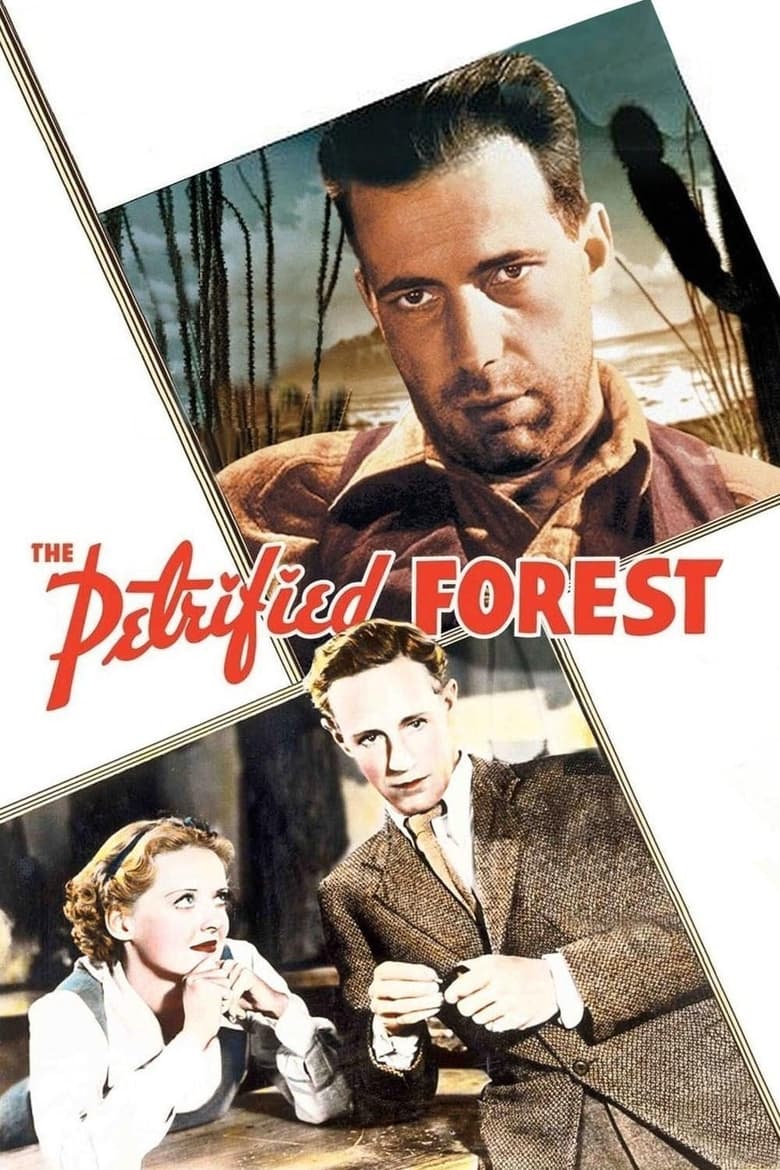
Petrified Forest 1936
1936 Warner Bros. Pictures
★★★☆☆ Notable
Film Noir · 82 minutes · Black & White

Petrified Forest

Directed by Archie Mayo
Year 1936
Runtime 82 min
Studio Warner Bros. Pictures
TMDB 7.1 / 10
"A drifter, a dreamer, and a killer share one last night in the Arizona desert."

In a roadside diner at the edge of the Arizona Petrified Forest, Gabrielle Maple – called Gabby – serves gas and hamburgers while nursing ambitions of escaping to France and becoming a painter. Her father Jason runs the place with quiet resignation; her grandfather Gramp romanticizes a frontier West that no longer exists. Into this stranded outpost walks Alan Squier, a failed English writer hitchhiking west with nothing left to lose, who recognizes in Gabby an intelligence and longing that the desert has not yet extinguished.

The arrival of Duke Mantee – a fugitive killer modeled loosely on John Dillinger, accompanied by his armed gang – transforms the diner into a hostage situation. Mantee is waiting for a woman, and while he waits, the assembled captives – a wealthy couple, a former football player besotted with Gabby, and the drifter Squier – are forced into proximity with violence and their own self-deceptions. Squier, who has already decided he is worth nothing to the world, sees in Mantee's brutal clarity a kind of liberty, and the two men arrive at a strange, oblique understanding across the barrel of a gun.

The film occupies an early position in the noir genealogy, predating the movement's full flowering yet rehearsing many of its defining preoccupations: the man who courts his own destruction, the woman trapped between aspiration and circumstance, and the criminal who functions less as villain than as catalyst. Adapted from Robert E. Sherwood's stage play, it retains the theatrical confinement of its source while using the desert landscape – ancient, petrified, indifferent – as a moral geography that the camera never lets the audience forget.
Classic Noir

The Petrified Forest arrives at a transitional moment in Hollywood crime cinema, still anchored to the conventions of the stage play from which it derives yet gesturing unmistakably toward the pessimism that would define American noir in the following decade. Humphrey Bogart's Duke Mantee – a performance he had given on Broadway and fought to reprise on screen – is the film's moral center in spite of himself: a man of pure appetite and zero illusion who exposes the fraudulence of everyone around him simply by being present. Leslie Howard's Squier is more problematic, a character whose romantic fatalism reads at times as posturing, yet the film knows this and uses it. Archie Mayo's direction is functional rather than inventive, and the studio-bound interiors limit what the Petrified Forest location can contribute symbolically. What the film achieves is something quieter than spectacle: a sustained argument that in a world stripped of meaning, the criminal and the intellectual are closer kin than either would prefer to admit.

– Classic Noir
3 ★★★☆☆ Notable
Credits

The Crew

DirectorArchie Mayo
ScreenplayCharles Kenyon
CinematographySol Polito
MusicBernhard Kaun
EditingOwen Marks
Art DirectionJohn Hughes
CostumesOrry-Kelly
Performances

The Cast

Close Reading

The Signature Scene

Petrified Forest – scene
The Diner, Nightfall Squier Bargains With Mantee

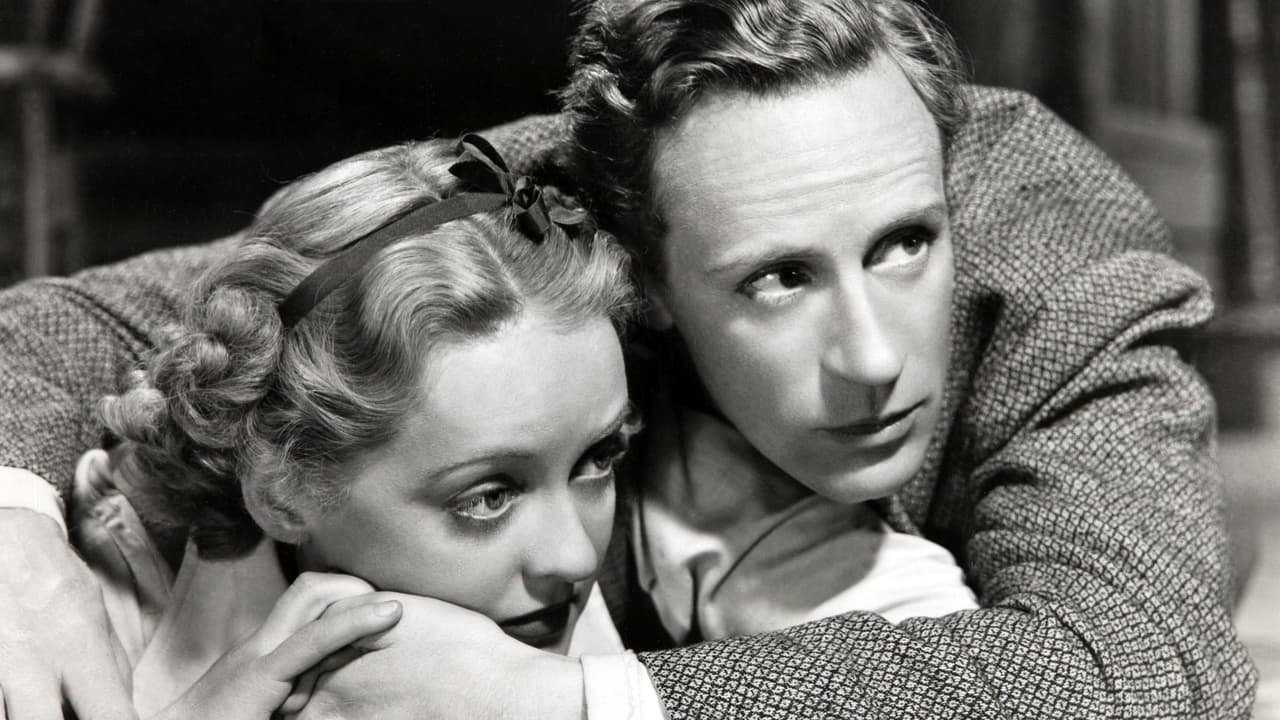
Sol Polito frames the scene in a tight two-shot, the low-key lighting carving deep shadow across Bogart's face while Howard is caught in a slightly higher, softer pool of light that marks the difference in their moral standing without editorializing. The camera holds its distance rather than cutting between close-ups, forcing the viewer to read both men simultaneously – the stillness of the killer against the almost theatrical composure of the writer. A single practical lamp on the counter throws a hard rim light along Bogart's shoulder, isolating him from the background as though the darkness has claimed him already.

The scene distills the film's central argument: Squier, who professes to find existence meaningless, is asking a man who enacts that meaninglessness to ratify it permanently. What the camera registers, and what neither character articulates, is that Mantee understands the request with complete clarity and finds it neither strange nor contemptible. The transaction between them is the most honest exchange in the film – two men who have run out of performance, one by choice and one by nature, arriving briefly at the same coordinates.

Visual Language

The Cinematography

🎞️
Sol Polito – Director of Photography

Sol Polito's cinematography on The Petrified Forest operates under the constraints of studio production while working those constraints to the film's advantage. Polito, a Warner Bros. contract cinematographer whose credits span from early talkies through the studio's mid-forties output, lights the diner interiors with a disciplined chiaroscuro that amplifies the claustrophobia of the siege without overstating it. He relies on motivated sources – counter lamps, a single overhead fixture – to create pools of light that isolate characters and quietly indicate who holds power in any given moment. Bogart is consistently placed in harder, more fragmented light; Davis and Howard in softer gradients that preserve their characters' interiority even under duress. The brief exterior sequences, shot partly on location in Arizona, use the flat desert light as a counterpoint to the diner's shadows: the outside world is bleached and without shelter, making confinement feel almost rational. The visual grammar is conservative by the standards of what noir would become, but it is never careless.

In the Catalogue

Themes & Motifs

Availability

Where to Watch

Also in the Directory

See Also