Films People Pull a Fast One Night Beat Reading Room On TV Shop
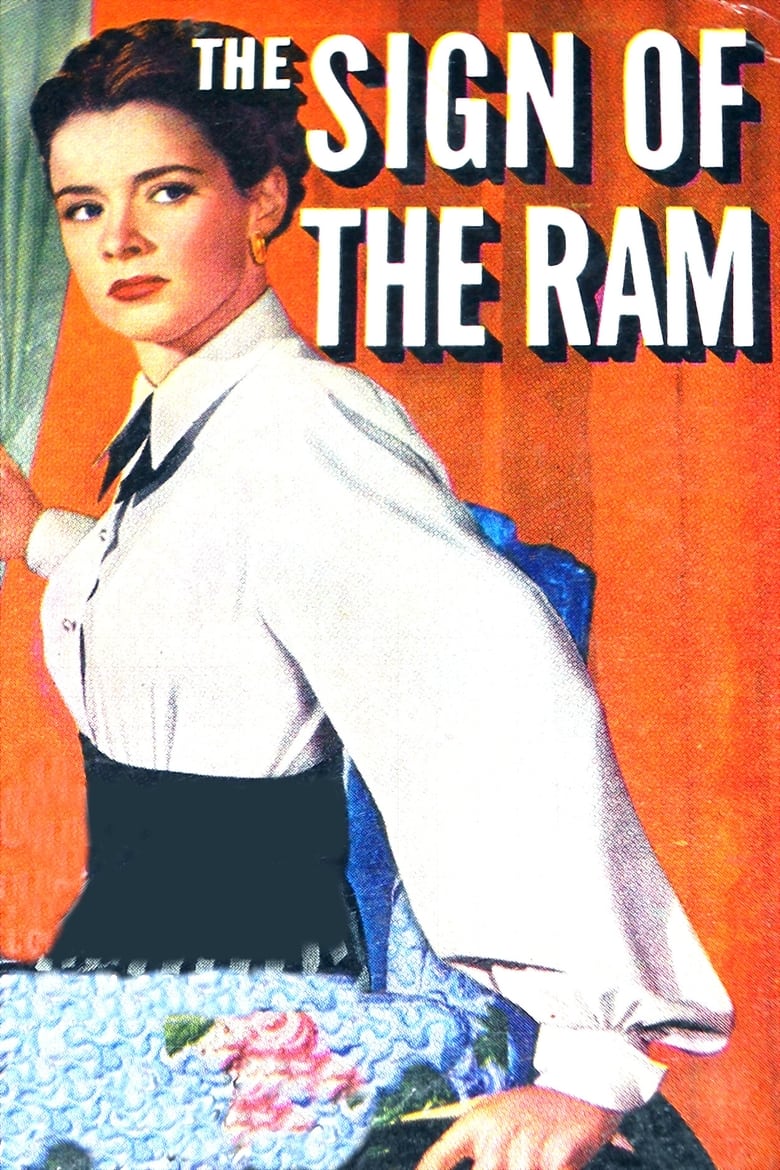
Sign of the Ram 1948
1948 Columbia Pictures
★★★☆☆ Notable
Film Noir · 84 minutes · Black & White

Sign of the Ram

Directed by John Sturges
Year 1948
Runtime 84 min
Studio Columbia Pictures
TMDB 6.0 / 10
"A woman in a wheelchair holds a household captive through the slow architecture of guilt."

On the Cornish coast, Leah St. Aubyn presides over her family with the quiet authority of a woman who once saved them from drowning at the cost of her own mobility. Confined to a wheelchair, she is the emotional center of a comfortable, outwardly serene household that includes her husband Mallory, his three children from a prior marriage – Logan, Jane, and Christine – and their new live-in companion, Sherida Binyon. The family's debt to Leah is vast and unspoken, a moral ledger that she alone controls.

When Sherida and Mallory begin to develop an attachment that threatens Leah's dominion, Leah's care for her family reveals itself as something closer to possession. She maneuvers with patience and precision, turning affection into obligation and obligation into entrapment. Dr. Simon Crowdy, who tends to Leah and understands her condition better than most, finds himself drawn into the household's gathering tension. The children, each bound to their stepmother by love and guilt in unequal measure, become instruments in a campaign whose cruelty remains almost perfectly concealed beneath the surface of domestic devotion.

Sign of the Ram situates its darkness not in streets or back alleys but inside the family unit itself, where the femme fatale does not seduce strangers but instead controls those who love her. The film belongs to a strain of domestic noir in which the threat is sedentary and the weapon is emotional leverage – a variant the postwar era found particularly useful for examining anxieties about dependency, sacrifice, and the hidden costs of survival.
Classic Noir

Sign of the Ram occupies an unusual position in the Columbia noir cycle of the late 1940s – a film in which the dangerous woman is stripped of mobility but not of power. Susan Peters, who had suffered a real spinal injury in 1945, brings to Leah St. Aubyn an authenticity that refuses pity while remaining alert to the character's systematic cruelty. That biographical fact shadows the performance without overwhelming it. John Sturges, still working his way toward the muscular genre films of the following decade, keeps the pace deliberate, allowing the household dynamics to compress slowly under Leah's management. The Cornish setting, rendered in studio terms by Burnett Guffey's photography, enforces a kind of sealed quality: there is nowhere to flee, and the cliffs that surround the estate double as psychological margins. The film's argument – that victimhood can be a form of tyranny – sits uneasily against postwar assumptions about suffering and moral credit, which is precisely where its interest lies.

– Classic Noir
3 ★★★☆☆ Notable
Credits

The Crew

DirectorJohn Sturges
ScreenplayCharles Bennett
CinematographyBurnett Guffey
MusicHans J. Salter
EditingAaron Stell
Art DirectionSturges Carne
CostumesJean Louis
ProducerIrving Cummings Jr.
Performances

The Cast

Close Reading

The Signature Scene

Sign of the Ram – scene
The Clifftop Telephone The Call That Cannot Wait

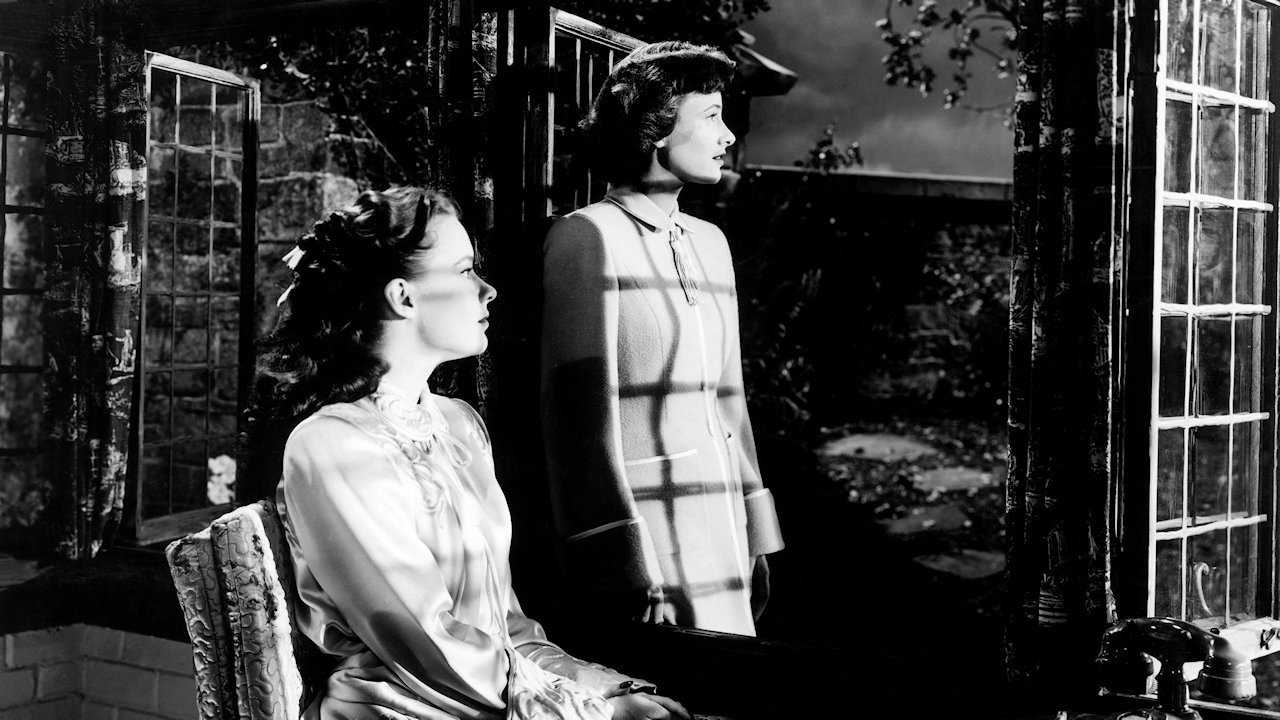
Guffey frames Leah in her wheelchair at a distance that emphasizes the space between her and the other occupants of the room, the camera holding at a slight high angle that both observes and implicates. The light source is lateral and cool, leaving the far side of her face in controlled shadow – not the expressionist excess of hard-boiled noir but something more modulated, appropriate to a character whose menace is always wrapped in reasonableness. The composition keeps a window visible in the background, the grey Cornish exterior reinforcing the sense of enclosure even when the outdoors is technically present.

What the scene demonstrates is the film's central mechanism: Leah's manipulation operates through apparent concern, through the vocabulary of care. She makes a telephone call – or withholds one – at a moment when action could prevent catastrophe, and the camera's stillness in response becomes an indictment. Sturges does not editorialize with sudden cuts or score swells. The weight falls entirely on what is not done, which is the film's consistent moral register: harm dressed as helplessness, control dressed as love.

Visual Language

The Cinematography

🎞️
Burnett Guffey – Director of Photography

Burnett Guffey, who would later photograph From Here to Eternity and Bonnie and Clyde, brings to Sign of the Ram a restrained but purposeful visual strategy suited to the film's domestic enclosure. Shooting on Columbia studio sets designed to suggest the Cornish coast, Guffey works largely with interior light, favoring lateral key sources that model faces without flattening them and that allow shadow to accumulate in the margins of rooms rather than dominate them. The effect is an atmosphere of sustained unease rather than stark menace – appropriate for a narrative in which evil is never theatrical. His handling of Peters in the wheelchair is particularly considered: he varies the camera height deliberately, sometimes shooting down to suggest vulnerability and, in other moments, leveling the lens to place her on equal or superior ground within the frame. That oscillation mirrors the film's refusal to settle the question of whether Leah is victim or predator, and it is achieved through lens position alone.

In the Catalogue

Themes & Motifs

Availability

Where to Watch

Also in the Directory

See Also