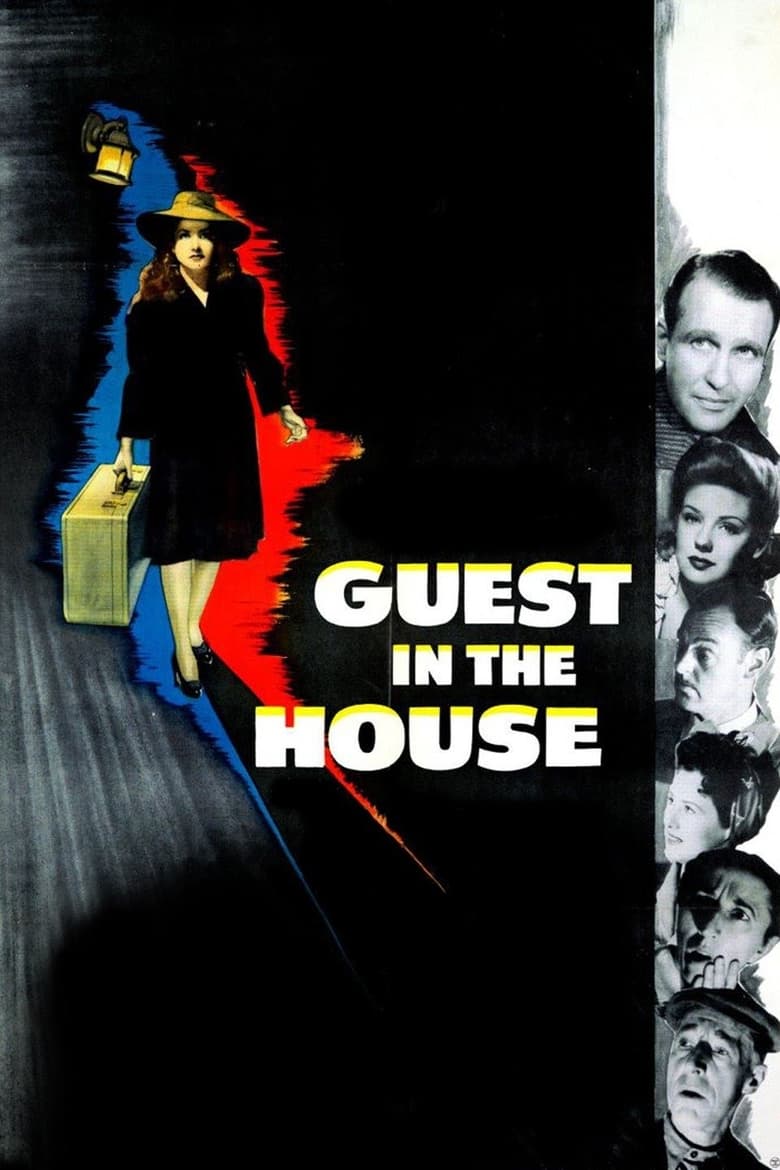
Evelyn Heath, a young woman with a diagnosed heart condition and a history of psychological instability, is brought to the coastal home of Douglas Proctor by his brother Dan, the doctor overseeing her recovery. Douglas lives there with his wife Ann, their children, and his Aunt Martha, a clear-eyed woman who watches the household with quiet vigilance. Evelyn is presented as fragile and grateful, and the family receives her with the open warmth of people who have no reason yet for suspicion.
Evelyn's gratitude curdles slowly into something more calculated. She develops an obsessive attachment to Douglas, and with deliberate patience begins isolating him from those around him – engineering misunderstandings, manipulating domestic arrangements, and driving wedges between Douglas and Ann. Her campaign is conducted with the surface composure of a convalescent, making her sabotage nearly invisible to those inside the house and all too legible to Aunt Martha, who finds herself without the evidence to name what she sees.
Guest in the House belongs to the cycle of domestic-infiltration films that noir produced alongside its more overtly criminal works – pictures in which the danger is interior, psychological, and slow-acting. The film's tension derives not from violence but from the gradual corruption of a stable environment by a presence that understands, and exploits, every social convention designed to protect it.
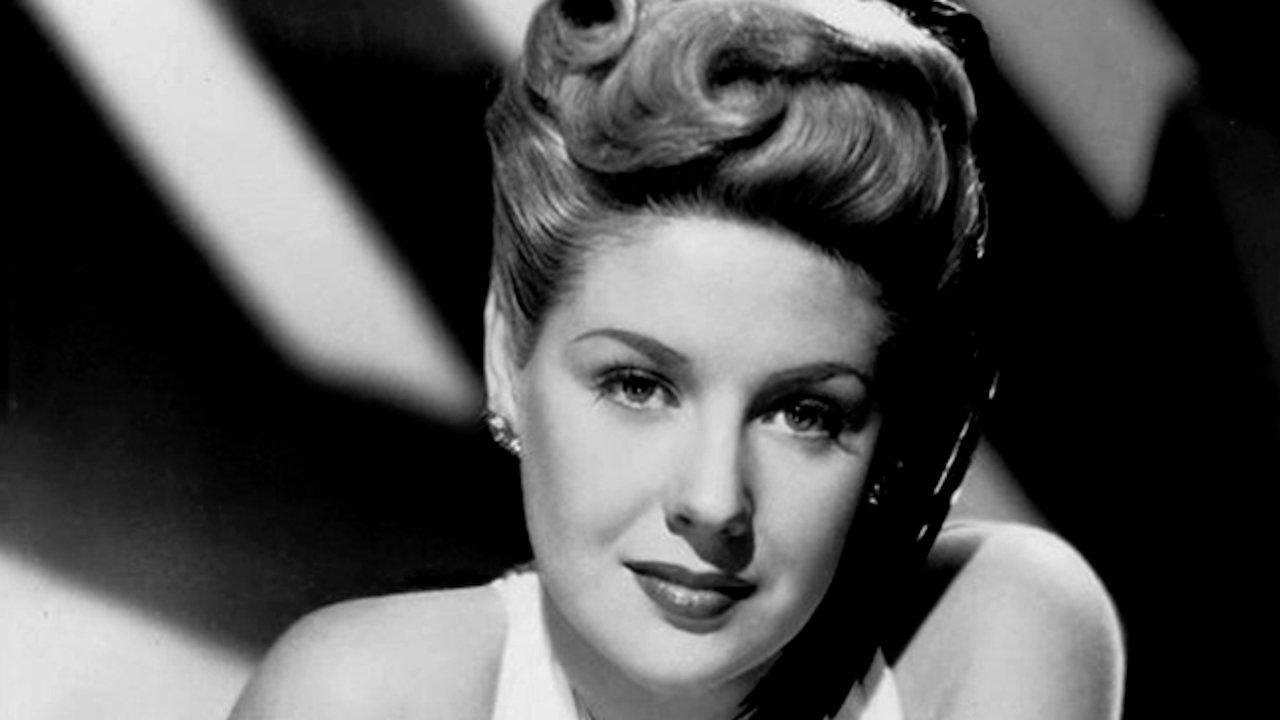
Guest in the House occupies an instructive position at the edge of the noir canon, where the genre's preoccupation with hidden pathology finds its expression not in crime procedurals or murder plots but in the quiet devastation of domestic manipulation. Anne Baxter's performance is the film's primary achievement: she constructs Evelyn as genuinely difficult to read, a woman whose fragility and malice exist in such close proportion that the viewer shares the household's confusion rather than standing apart from it. John Brahm, whose work on The Lodger the same year demonstrated his feel for enclosed, oppressive spaces, brings a similar architectural intelligence to the Proctor home, treating its rooms as a grammar of control and enclosure. The film's weakness is structural – at 121 minutes it carries weight the screenplay cannot fully justify – but its portrait of femininity weaponized and domesticity as a theater of power speaks directly to the anxieties of its wartime moment, when household stability carried an outsized cultural freight.
– Classic Noir
Lee Garmes frames Evelyn in a medium shot, the birdcage she has brought into the house positioned between her and the camera so that its shadow falls across her face in a grid of broken light. The room is lit from a single source at low angle, throwing the wall behind her into near-total darkness. Her expression is composed, nearly serene, and the cage bars across her features do the interpretive work the scene refuses to do through dialogue – containment and captivity rendered as aesthetics.
The shot functions as the film's thesis statement in miniature. Evelyn presents herself as the confined creature, the patient under recovery, the guest who requires care. The image quietly inverts this: she is not behind the bars but beside them, casting their shadow outward onto others. What the scene argues, without argument, is that the vocabulary of victimhood is the most effective instrument of control available to her.
Lee Garmes, whose deep-focus work for Josef von Sternberg had already established him as among the most atmospheric cinematographers in Hollywood, brings to Guest in the House a disciplined chiaroscuro that reinforces the film's moral architecture. Working largely on studio sets, Garmes uses the contained domestic spaces to justify tight lighting rigs that produce deep, carved shadows without recourse to the expressionist extremity that would have undermined the film's surface naturalism. His lens choices favor slightly longer focal lengths that flatten the domestic rooms, compressing the distance between characters and eliminating escape within the frame. Light consistently falls on Evelyn in ways that make her luminous and isolated simultaneously – she is always visible, always watched, but also separated from the warmth that surrounds the Proctor family. Shadow gathers behind her rather than around her, suggesting that what she carries is not vulnerability but its performance.
The film is in the public domain and available in full on the Internet Archive, though print quality varies across available transfers.
TubiFreeTubi has carried the film among its classic Hollywood titles; availability may vary by region and is subject to change.
Amazon Prime VideoSubscriptionAccessible via Prime Video's classic film holdings, though viewers should confirm the current transfer quality before selecting.