Films People Pull a Fast One Night Beat Reading Room On TV Shop
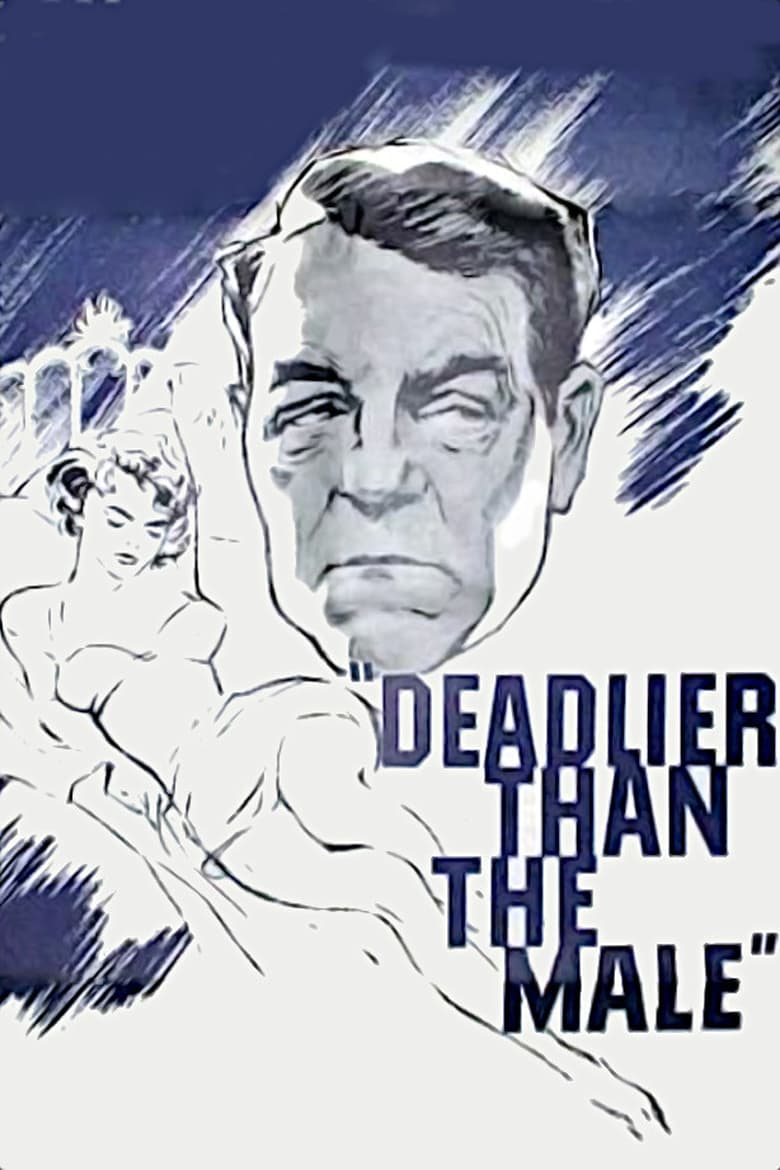
Voici le temps des assassins 1956
1956 Société Nouvelle Pathé Cinéma
★★★★☆ Recommended
Film Noir · 113 minutes · Black & White

Voici le temps des assassins

Directed by Julien Duvivier
Year 1956
Runtime 113 min
Studio Société Nouvelle Pathé Cinéma
TMDB 7.3 / 10
"A decent man opens his door, and ruin walks in wearing a young woman's face."

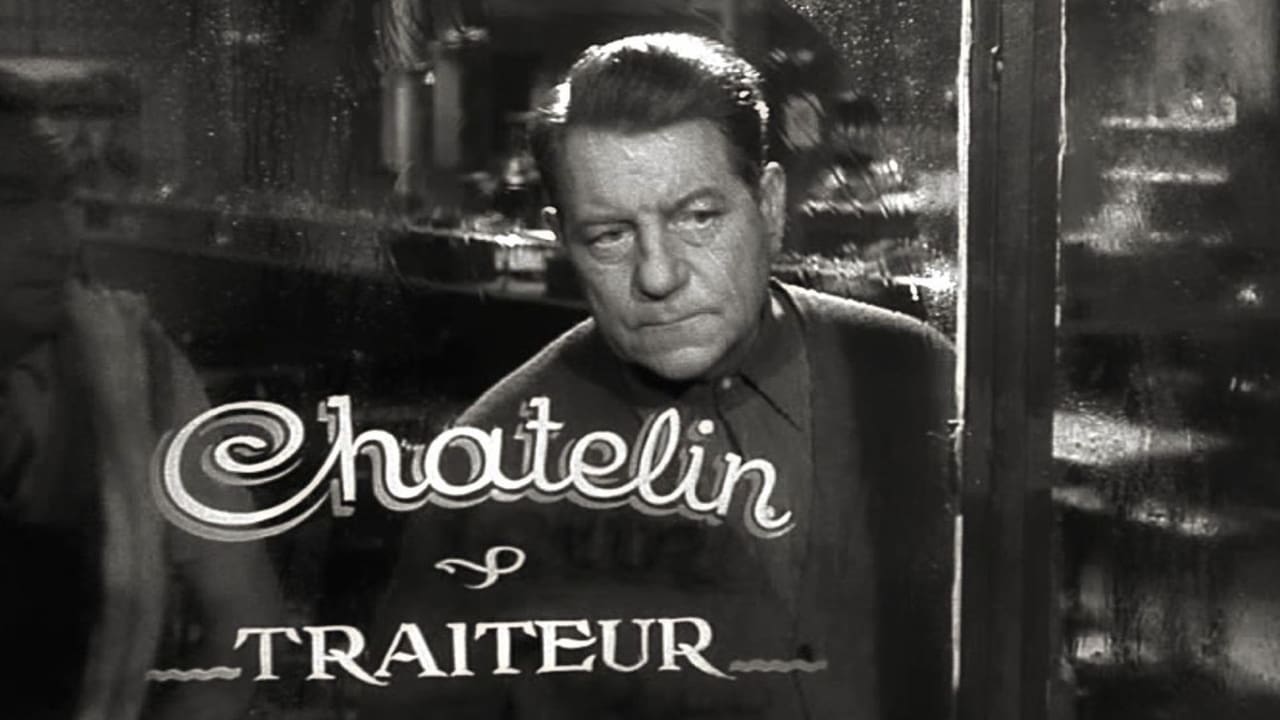
André Chatelin runs a prosperous restaurant in the Les Halles district of Paris, a man of routine and modest satisfaction who has built something solid from nothing. His orderly life fractures when Catherine, the troubled daughter of his estranged ex-wife Gabrielle, arrives seeking shelter. She is young, manipulative, and carries with her the accumulated damage of a chaotic upbringing – qualities André, blinded by pity and something less defensible, is slow to recognize.

Catherine insinuates herself into the household with practiced patience, turning André's generosity against him and setting her sights on the restaurant and the security it represents. Her relationship with Gérard, a volatile young man of uncertain loyalties, introduces a second axis of danger. André's aging mother watches the household shift beneath her with a clarity her son refuses to exercise, while Gabrielle hovers at the margins, her motives layered between genuine desperation and cold calculation.

Voici le temps des assassins belongs to the tradition of French noir that treats the femme fatale not as a genre convenience but as a social document – a figure produced by poverty, neglect, and the particular cruelties visited on women without resources. Duvivier frames the trap closing around André with the patience of a filmmaker who understands that destruction rarely announces itself; it arrives through small surrenders and misread kindnesses.
Classic Noir

Duvivier returned from his wartime Hollywood exile to find French cinema in the process of rediscovering the darkness latent in ordinary bourgeois life, and Voici le temps des assassins represents one of the more clear-eyed results of that reckoning. The film refuses the consolation of an innocent protagonist: André is not destroyed by malevolence alone but by his own appetite for the role of benefactor, a vanity the screenplay treats with no sentimentality. Jean Gabin, then in the second, heavier phase of his screen persona, brings an authority that makes André's progressive humiliation credible rather than pathetic. Danièle Delorme's Catherine is constructed without the usual signals that tell an audience when to distrust – she is not overtly seductive, not cartoonishly scheming, and that restraint is the film's central achievement. Where American noir of the same period often externalizes moral corruption through expressionist lighting and urban decay, Duvivier locates it inside the rhythms of a working kitchen and the textures of domestic routine, which makes the unraveling considerably more persuasive.

– Classic Noir
4 ★★★★☆ Recommended
Credits

The Crew

DirectorJulien Duvivier
ScreenplayJulien Duvivier
CinematographyArmand Thirard
MusicJean Wiener
Performances

The Cast

Close Reading

The Signature Scene

Voici le temps des assassins – scene
The Restaurant Kitchen, Late Service Knives Out, Lights Down

Armand Thirard frames the kitchen at the end of a long night's service – surfaces gleaming with residual grease and reflected overhead light, the staff thinned to almost nothing. The camera holds at a middle distance that keeps André and Catherine in the same plane without allowing either to fully command the frame. Light falls from practical sources above the prep stations, casting hard shadows downward across faces and leaving the corners of the room in an unresolved darkness that the lens makes no effort to penetrate.

The scene establishes the terms of Catherine's power before the plot has fully declared it: she occupies André's professional space as naturally as she will come to occupy his domestic one, and the kitchen – his kingdom, his identity – becomes the first territory quietly ceded. Duvivier allows the scene to breathe past the point of comfort, and what it ultimately reveals is that André's authority in this room was always more ceremonial than absolute.

Visual Language

The Cinematography

🎞️
Armand Thirard – Director of Photography

Armand Thirard, who had shot Clouzot's Diabolique the previous year, brings to Voici le temps des assassins a similarly disciplined refusal of atmospheric excess. The photography works largely within the practical logic of the film's locations – the restaurant interiors, the cramped domestic spaces, the gray streets of the Les Halles market district – and trusts those environments to generate their own pressure without supplementary noir iconography. Thirard's lighting setups favor overhead and side sources that model faces without glamorizing them, a choice that serves the screenplay's insistence on the mundane texture of its menace. Where shadow work appears, it functions structurally: doorways and corridor frames divide characters from one another in ways that register degrees of knowledge and complicity. The cinematography avoids the deep-focus compositions that French filmmakers had absorbed from American imports of the previous decade, preferring instead a flatter, more constrained image that keeps the audience as close to André's limited perspective as the medium allows.

In the Catalogue

Themes & Motifs

Availability

Where to Watch

Also in the Directory

See Also