Films People Pull a Fast One Night Beat Reading Room On TV Shop
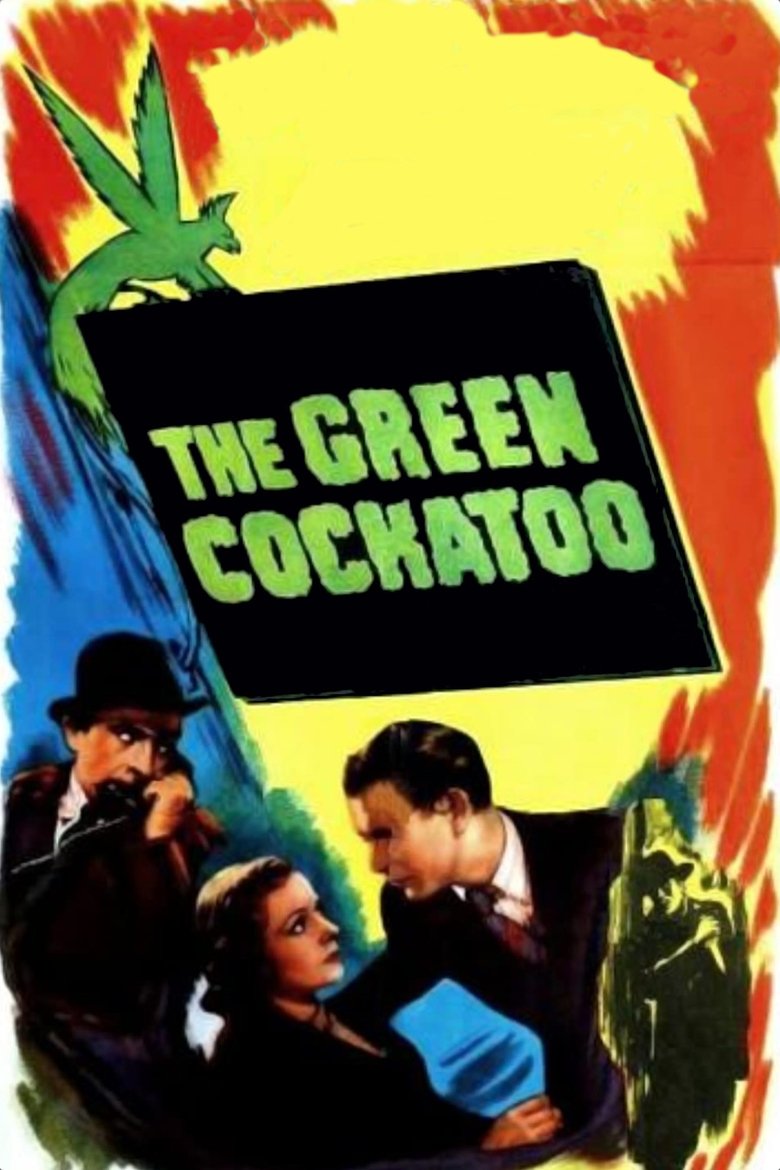
Green Cockatoo 1937
1937 New World Pictures (GB)
★★★☆☆ Notable
Film Noir · 65 minutes · Black & White

Green Cockatoo

Directed by William Cameron Menzies
Year 1937
Runtime 65 min
Studio New World Pictures (GB)
TMDB 5.9 / 10
"A dead man's brother inherits his enemies, and a stranger inherits the danger."

London's Soho district, late 1930s. Jim Connor arrives in the city hoping to find his brother Dave, a small-time song-and-dance man scraping by in the neon-edged margins of the West End. On the same rain-slicked night, a young woman named Eileen stumbles into Jim's orbit, fleeing something she witnessed but cannot yet name. The two are strangers bound together by circumstance before either fully understands the nature of the trap closing around them.

Dave Connor has run afoul of Terrell, a gang boss who operates out of the Green Cockatoo, a nightclub that serves as both legitimate front and criminal clearinghouse. When Dave is murdered in the street before he can reach his brother, Jim inherits the gangsters' suspicion and their violence. Eileen, the sole witness to the killing, becomes the one piece of evidence Terrell needs silenced. Jim, knowing nothing of Soho's underworld protocols, must navigate a city where every doorway conceals a confederate and loyalty is transactional.

Green Cockatoo compresses its noir architecture into sixty-five minutes without sacrificing moral atmosphere. The film works the wrong-man formula with enough conviction to distinguish itself from the quota quickies of its era, and it carries, beneath its genre efficiency, a genuine anxiety about urban anonymity – the ease with which a city swallows both the guilty and the innocent without distinction.
Classic Noir

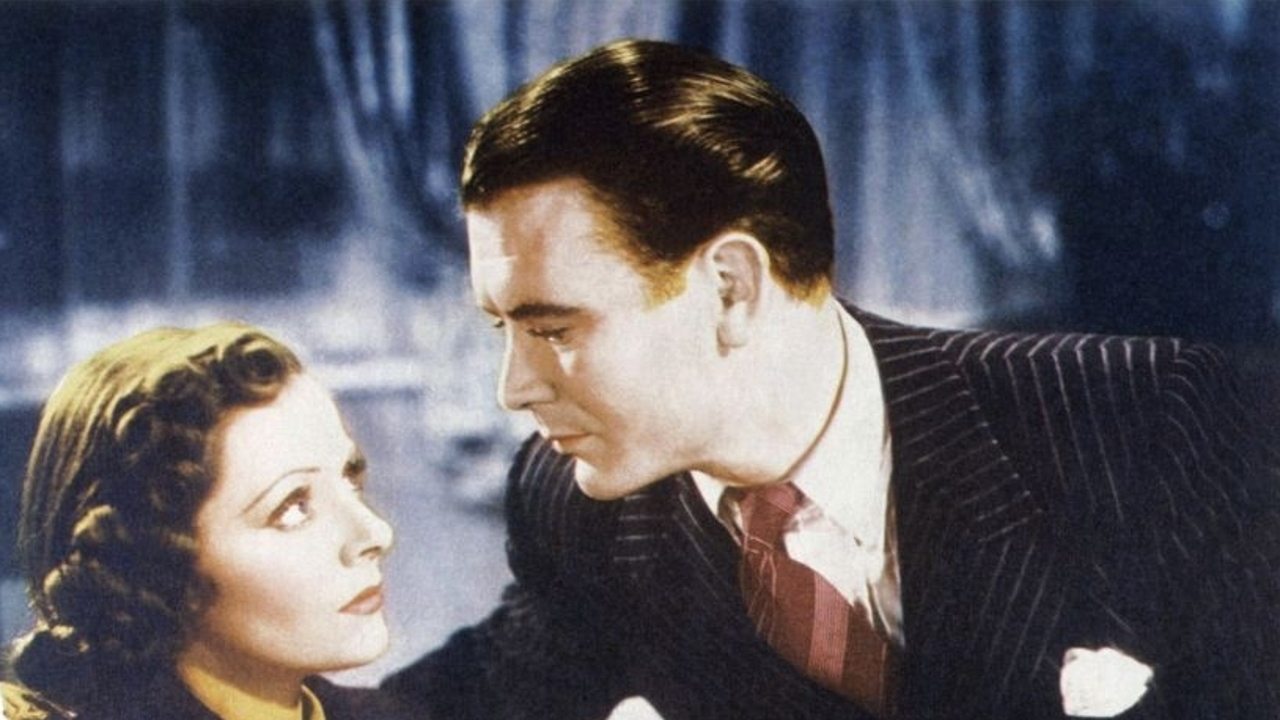
Green Cockatoo occupies an instructive position in the pre-war British crime film: it arrives before the American noir cycle crystallized, yet it anticipates that cycle's central preoccupations with uncanny precision. William Cameron Menzies, whose primary reputation rests on production design rather than direction, brings to the film a spatial intelligence that most journeyman directors of the period lacked. The Soho locations and studio reconstructions are treated not as backdrop but as moral environment – the city is complicit. Miklós Rózsa's score, among his earliest credited work, already displays the composer's instinct for tension as texture rather than punctuation. John Mills, still several years from major stardom, plays Jim Connor with a controlled bewilderment that keeps the film from tipping into melodrama. The film is not, finally, a major work, but it documents a moment when British genre cinema was absorbing Continental expressionist influence and beginning to generate a native idiom – anxious, cramped, and morally provisional.

– Classic Noir
3 ★★★☆☆ Notable
Credits

The Crew

DirectorWilliam Cameron Menzies
ScreenplayTed Berkman
CinematographyMutz Greenbaum
MusicMiklós Rózsa
EditingRussell Lloyd
Art DirectionArthur Cornwall
ProducerWilliam K. Howard
Performances

The Cast

Close Reading

The Signature Scene

Green Cockatoo – scene
The Soho Street Killing Dave Falls in the Rain

Menzies stages the murder in a narrow street slicked with reflected light, the frame organized around the geometry of enclosure – walls pressing in from either side, a single overhead source casting a hard cone that Dave Connor briefly enters before the shot drops him into shadow. The camera holds at a distance that refuses intimacy, observing rather than dramatizing, so that the act registers as fact before it registers as tragedy.

The scene's restraint is its argument. Dave dies before his brother can reach him, before any reunion or explanation is possible, and the composition enacts that foreclosure formally – the light that might have illuminated his situation is already withdrawing as he falls. It establishes the film's governing logic: information arrives too late, proximity offers no protection, and the city's indifference is structural rather than incidental.

Visual Language

The Cinematography

🎞️
Mutz Greenbaum – Director of Photography

Mutz Greenbaum – who would later work under the anglicized credit Max Greene – shoots Green Cockatoo with a discipline that belies the film's modest budget and compressed schedule. His lighting favors hard single sources that carve faces out of surrounding darkness without recourse to the fill-light softening common in studio product of the period. The nightclub sequences use practical light sources as narrative props: signs, table lamps, and bar fixtures establish social geography while doubling as instruments of concealment, placing characters in partial illumination that withholds as much as it reveals. In the exterior street work, Greenbaum achieves a wet-surface reflectivity that amplifies depth of field and gives the Soho locations a disorienting luminosity – brightness that clarifies nothing. The visual grammar consistently serves the story's central contention that seeing and knowing are separate operations, and that the city makes both unreliable.

In the Catalogue

Themes & Motifs

Availability

Where to Watch

Also in the Directory

See Also