Films People Pull a Fast One Night Beat Reading Room On TV Shop
Night Holds Terror 1955
1955 Columbia Pictures
★★★☆☆ Notable
Film Noir · 86 minutes · Black & White

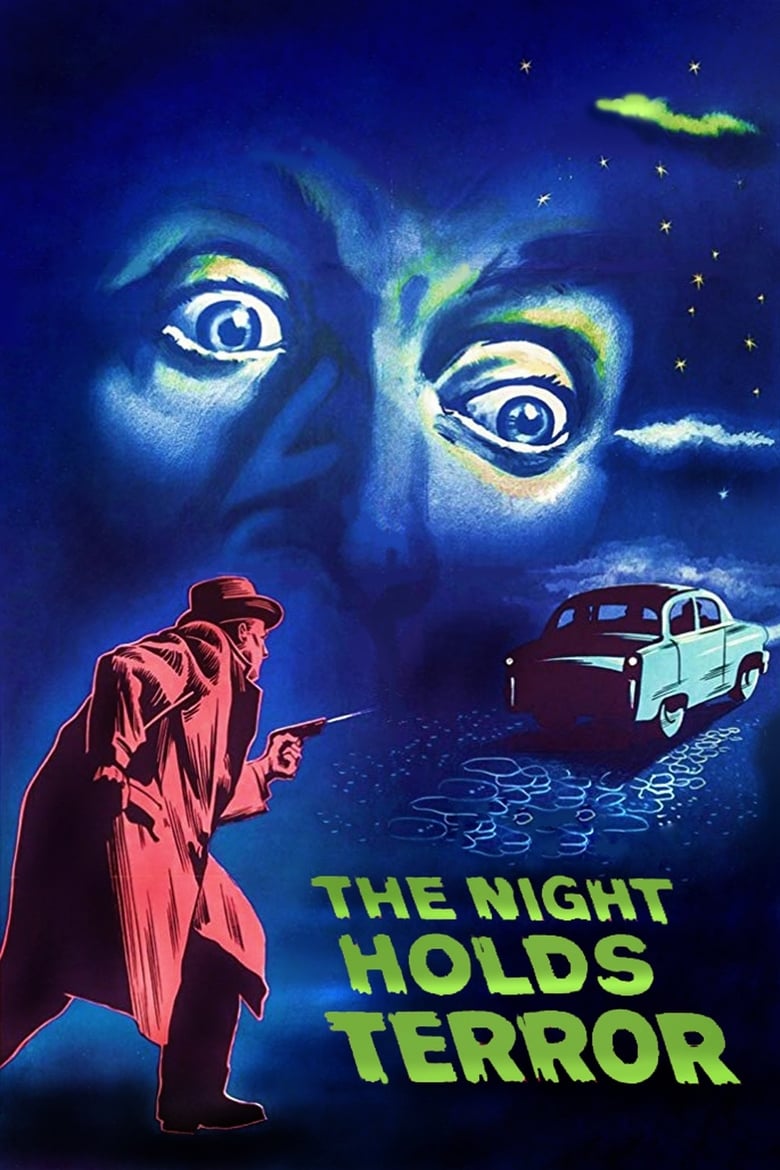
Night Holds Terror

Directed by Andrew L. Stone
Year 1955
Runtime 86 min
Studio Columbia Pictures
TMDB 5.5 / 10
"Three armed men take a family hostage, and the house becomes a prison no one can leave quietly."

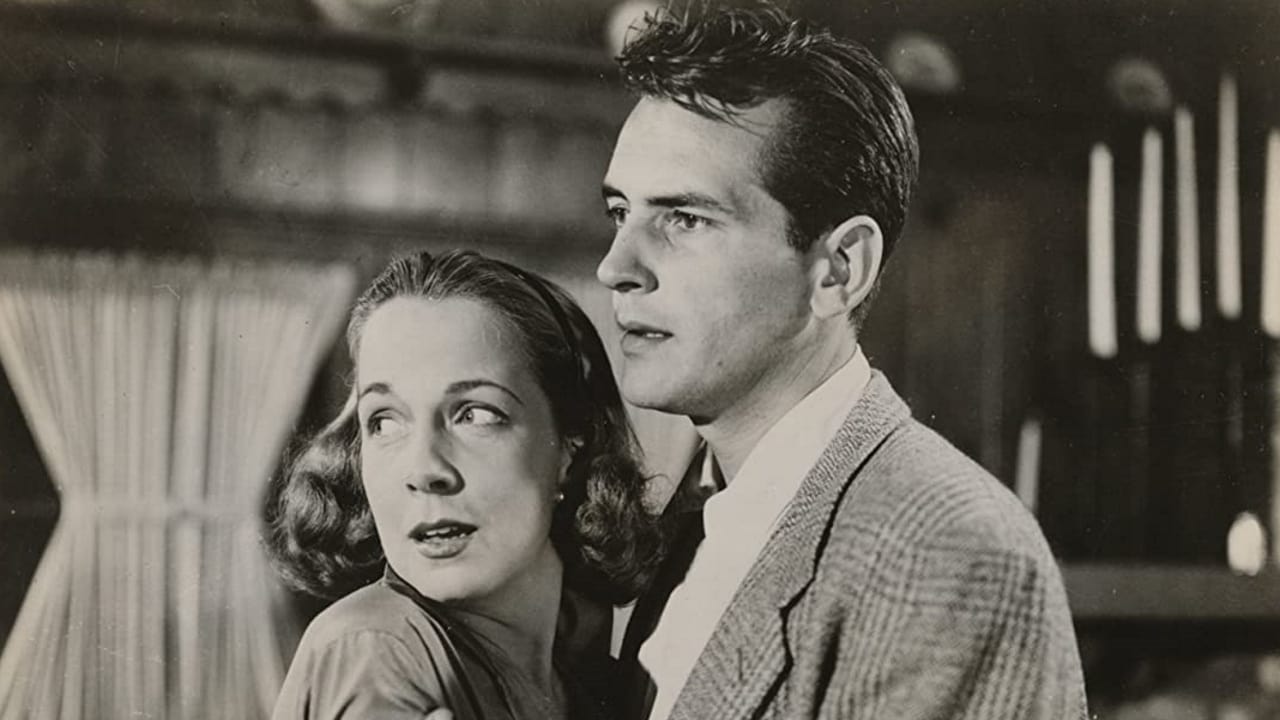
Gene Courtier is a mild-mannered aerospace worker driving home through the California night when he makes the mistake of offering a ride to a stranger. That stranger is Victor Gosset, and he is not alone for long. Soon Gene finds himself at gunpoint alongside two more men – the volatile Robert Batsford and the edgy Luther Logan – who force their way into the Courtier home and hold Gene, his wife Doris, and their children captive while they wait out a scheme that requires staying invisible to the outside world.

The film's tension derives less from action than from sustained psychological pressure. Gosset, Batsford, and Logan are not a coherent criminal unit but a fractious triangle of self-interest, and their internal disputes – over money, over nerve, over who gives the orders – gradually erode whatever discipline holds them together. Doris, practical and frightened but never passive, reads the fissures between the men and makes small, careful calculations about where the weak points lie. Gene, by contrast, struggles to hold himself together under the humiliation of powerlessness in his own home.

Stone builds the film almost entirely from the logic of domestic confinement, treating the suburban house not as a refuge but as a trap that works equally against its owners and its invaders. Night Holds Terror belongs to the run of mid-fifties crime procedurals that wore their ripped-from-the-headlines credentials as a badge of authenticity, and it shares with Cry Terror and The Desperate Hours an interest in what ordinary men and women do when violence enters without invitation and sits down at the kitchen table.
Classic Noir

Andrew L. Stone made a minor career out of location-shot suspense films that traded studio gloss for procedural texture, and Night Holds Terror is among the cleaner examples of that instinct at work. The film is based on a 1953 California kidnapping case and Stone keeps the geography and the domestic detail specific enough that the fiction never entirely shakes free of the incident that generated it. What the film earns is a portrait of criminal improvisation from the inside: Vince Edwards and John Cassavetes – both still early in careers that would define them differently – play men whose danger comes not from competence but from volatility. Neither knows exactly what he will do next, and that uncertainty is the film's real subject. Stone has no particular visual ambition, but his restraint is not negligence; it is a calculated bet that the confined setting will do the work that expressionist lighting might otherwise perform. The bet pays well enough. Night Holds Terror is a second-tier noir that knows its own dimensions and works within them with a discipline that many more celebrated films do not manage.

– Classic Noir
3 ★★★☆☆ Notable
Credits

The Crew

DirectorAndrew L. Stone
ScreenplayAndrew L. Stone
CinematographyFred Jackman Jr.
MusicLucien Cailliet
EditingVirginia L. Stone
ProducerAndrew L. Stone
Performances

The Cast

Close Reading

The Signature Scene

Night Holds Terror – scene
The Kitchen, Late Night Waiting at the Table

The camera holds at a medium distance, keeping all three criminals and both adult Courtiers within the same flat plane of the kitchen's overhead light. Fred Jackman Jr. makes no effort to glamorize the space – the linoleum, the ordinary cupboards, the clock on the wall all register with documentary neutrality. The light is functional rather than dramatic, casting almost no shadow, and that refusal of chiaroscuro becomes its own statement: there is nowhere in this room to hide, no darkness to retreat into, no expressionist geometry to externalize the dread.

What the scene establishes is the film's central argument about exposure. Stone and Jackman strip the domestic interior of every quality that makes it feel private or protective, and what remains is a space where five people must perform normality under duress. The Courtiers eat, or pretend to eat, while the three men watch them with the restless attention of people who have not fully committed to what they are doing. The scene makes it clear that the real danger is not the guns but the boredom – and what bored, frightened, armed men do when a situation stops moving.

Visual Language

The Cinematography

🎞️
Fred Jackman Jr. – Director of Photography

Fred Jackman Jr. shoots Night Holds Terror on actual Los Angeles locations and in a real house rather than on constructed sets, and the choice determines everything about the film's visual register. Where a studio production would have bent the architecture to accommodate dramatic lighting rigs, Jackman works within the constraints of actual rooms – lower ceilings, narrower corridors, windows that face the wrong direction – and the result is a flatness that reads as documentary authenticity. He avoids the deep-focus expressionism that characterized the previous decade's noir; there are no extreme angles, no climactic shadow geometries. Instead he uses a shallow, even illumination that keeps the entire frame legible at all times, which in context becomes a form of dread rather than reassurance. The audience can see everything and that visibility changes nothing. The moral logic the cinematography serves is clear: the ordinary world offers no special protection, and the same light that makes a kitchen familiar makes it a cell.

In the Catalogue

Themes & Motifs

Availability

Where to Watch

Also in the Directory

See Also