Films People Pull a Fast One Night Beat Reading Room On TV Shop
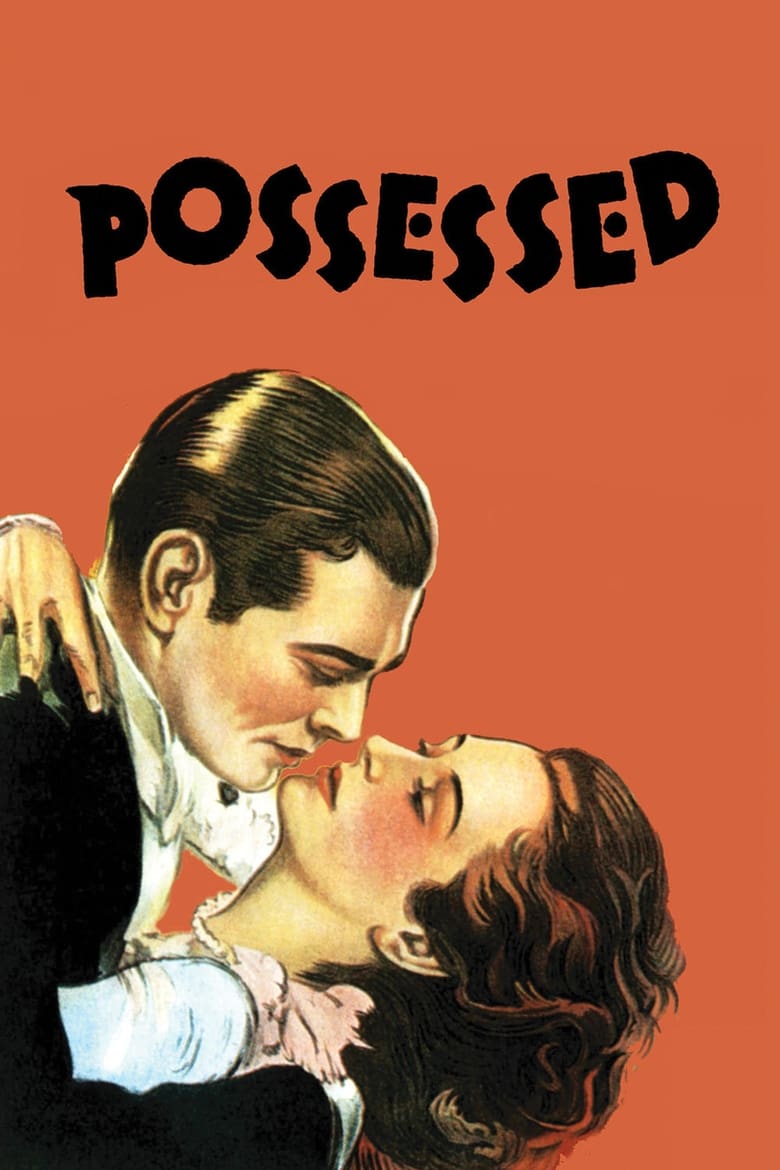
Possessed 1931
1931 Metro-Goldwyn-Mayer
★★★☆☆ Notable
Film Noir · 76 minutes · Black & White

Possessed

Directed by Clarence Brown
Year 1931
Runtime 76 min
Studio Metro-Goldwyn-Mayer
TMDB 7.0 / 10
"A factory girl trades her future for a penthouse, and finds the cost is everything she has left."

Marian Martin works a dead-end job in a small industrial town, living in a cramped boarding house with her mother and enduring the low expectations of her social class. One night, watching a private train pass through on its way to New York, she decides she is done waiting. She walks to the station and boards a train heading east, carrying little more than her nerve.

In New York she becomes the kept mistress of Mark Whitney, a wealthy lawyer with political ambitions and a studied emotional detachment. The arrangement suits both of them until Whitney, unwilling to let a relationship complicate his career, attempts to withdraw. Marian, who has long since passed from calculation into genuine feeling, refuses to accept that the rules of the arrangement apply only when they suit him. A rival political figure, John Driscoll, recognizes her value as a social liability and begins to apply pressure, while Marian's former suitor Al Manning resurfaces from her past life, threatening the careful fiction she has built around herself.

Possessed belongs to the cycle of pre-Code MGM melodramas that used the romantic triangle as a framework for examining class mobility and the costs extracted from women who attempt it. The film does not moralize in the manner of its post-Code successors; it holds the system responsible alongside its characters, and the ending arrives as something closer to negotiation than punishment.
Classic Noir

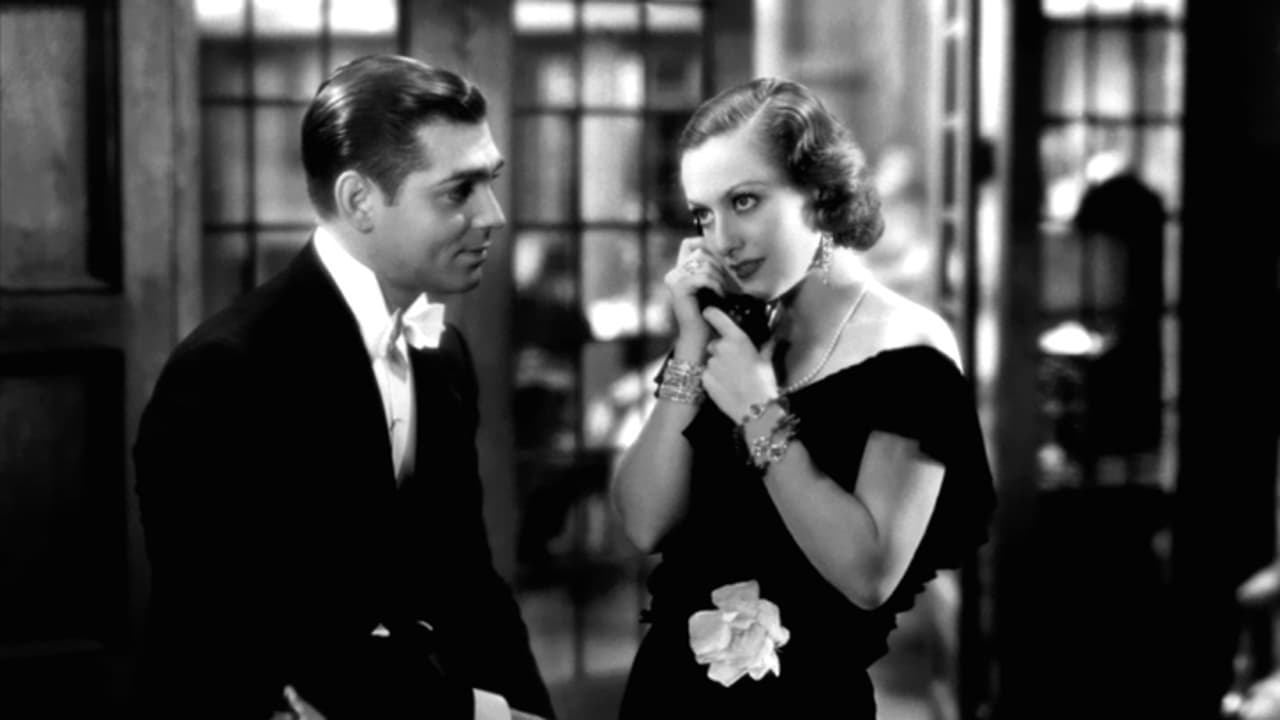
Possessed arrives two years before the Production Code enforcement that would have forced it into a different kind of story. Clarence Brown directs with precision rather than sentiment, keeping the camera close enough to Joan Crawford's face that performance becomes argument: her Marian Martin is not a victim of desire but a strategist undone by the one variable she cannot control, which is her own attachment. Crawford and Gable, paired here before their screen chemistry became industry fact, generate a dynamic in which power shifts so subtly that the audience is rarely certain who is leveraging whom. The film belongs less to the thriller tradition than to the social-realist strand of early noir, a strand that diagnosed American class mythology with considerable candor. What it reveals about its era is an anxiety about female agency that the story simultaneously validates and punishes – or nearly punishes. Oliver T. Marsh's studio-bound visual economy keeps the material from expanding into sentiment, and the result is a compact, alert film that earns its place in any serious survey of the genre's pre-history.

– Classic Noir
3 ★★★☆☆ Notable
Credits

The Crew

DirectorClarence Brown
ScreenplayLenore J. Coffee
CinematographyOliver T. Marsh
MusicCharles Maxwell
EditingWilliam LeVanway
Art DirectionCedric Gibbons
CostumesAdrian
ProducerClarence Brown
Performances

The Cast

Close Reading

The Signature Scene

Possessed – scene
Whitney's Apartment – The Dismissal Light Across a Closed Door

Brown and Marsh frame the scene with Whitney standing near a window, the city light cutting across him in a hard diagonal that leaves his face half in shadow. Marian is positioned lower in the frame, seated, which places her in a posture of supplication the script explicitly denies her. The camera holds on a medium two-shot long enough to establish that neither character will move toward the other, then cuts to a tight close-up of Crawford in which the light source shifts slightly, catching one eye and leaving the other dark – a compositional choice that externalizes the calculation running behind her composed expression.

The scene is the film's moral pivot. Whitney's dismissal is framed as rational, even decent by the logic of men who treat emotional arrangements as contracts with exit clauses. Crawford's response refuses that logic without performing hysteria; she simply declines to accept the terms. The stillness of her performance here clarifies the film's central argument: that the vulnerability is not in loving unwisely but in loving someone for whom the same feeling carries no equivalent risk.

Visual Language

The Cinematography

🎞️
Oliver T. Marsh – Director of Photography

Oliver T. Marsh shoots Possessed entirely on MGM studio stages and makes no attempt to disguise the fact. The artifice is deliberate and structural: the polished surfaces, deep-focus parlors, and precisely controlled key lighting create an environment in which everything is performance and nothing is accidental, which is precisely the world Marian Martin has entered. Marsh employs a soft-edged glamour lighting on Crawford – a diffuse fill balanced against a harder key – that flatters her while also placing her constantly within a constructed luminosity, the visual equivalent of the social role she has purchased. When the emotional register darkens, the fill drops and the key hardens, and Crawford's face moves from icon to subject. Gable is lit throughout with less ceremony, a choice that reads as realism but also subtly diminishes him. The lens work avoids wide angles in interiors, keeping the frame compressed and the social space claustrophobic, so that even large rooms feel like enclosures from which exit is uncertain.

In the Catalogue

Themes & Motifs

Availability

Where to Watch

Also in the Directory

See Also