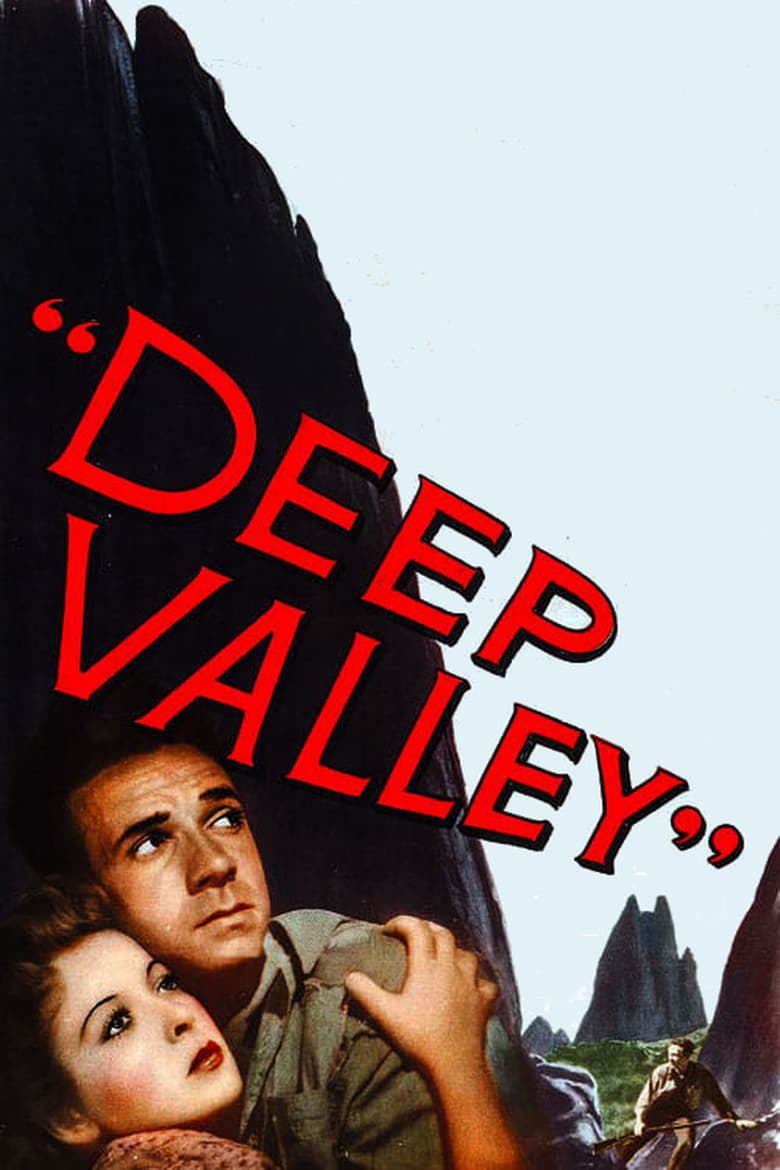
In the rural hills of Northern California, Libby Saul is a young woman held fast by circumstance. Isolated on her family's failing farm, she lives under the weight of a bitter, domineering father, Cliff Saul, and a mother, Ellie, too worn down to intervene. Libby barely speaks, stutters when she does, and has retreated so completely from the world that the arrival of a road construction crew on the adjacent land registers as a kind of shock. She watches the convicts working the chain gang from a distance, separate from the other hands, already half in love with the idea of someone else's confinement.
When a prison break scatters the work crew, one convict – Barry Burnette, volatile and desperate – takes refuge on the Saul property. Libby hides him. What begins as pity shades into something more complicated: she recognizes in Barry a man who has been crushed by the same forces of confinement that have defined her own life, and the bond that forms between them is less romance than mutual recognition. The local sheriff, Akers, tightens his net, and Jeff Barker, a foreman with more conventional designs on Libby, adds another layer of pressure. Allegiances on the farm shift as the danger closes in, and Libby's loyalty to Barry places her against every authority she has ever known.
Deep Valley occupies an unusual position within the noir cycle, less urban than most, built around entrapment and release rather than crime for profit. The fugitive-love structure recalls earlier Depression-era outlaw pictures, but Negulesco and screenwriter Salka Viertel are primarily concerned with the cost of passivity – with what happens to a person when the will to live is suppressed long enough that it can only re-emerge through transgression. The film is as much psychological study as thriller, and it is Lupino's performance, controlled and almost silent for long stretches, that determines its moral weight.
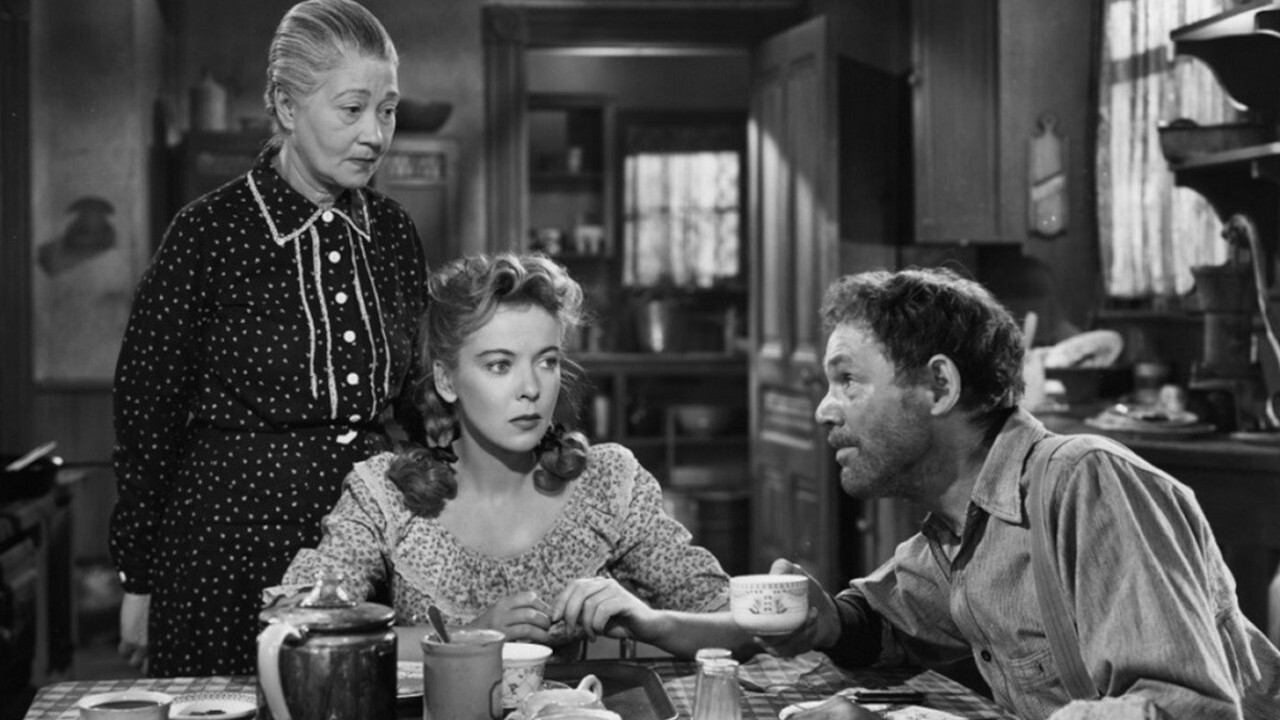
Deep Valley is a film that earns its minor-classic status through discipline rather than ambition. Jean Negulesco, working squarely within the Warner Bros. house style, directs without flourish, and that restraint serves the material: Libby Saul's story demands understatement. Ida Lupino, who would herself become a director of consequence within two years, gives one of her finest performances here – inhabiting a character defined by withdrawal so thoroughly that the small moments of agency she allows herself read as genuine ruptures. Dane Clark's Barry is harder to sustain sympathy for, and the film acknowledges this without resolving it cleanly. The rural setting – rare for the genre – allows the noir logic of entrapment to operate through landscape rather than urban geometry. Max Steiner's score is more restrained than his usual work, which helps. What Deep Valley ultimately argues is that coercion does not require crime; families and class position do the work just as efficiently. That argument, in 1947, had considerable currency.
– Classic Noir
Ted D. McCord places his camera low and slightly wide, so that the barn's interior feels both cavernous and close. Light enters through gaps in the siding in hard parallel lines – not the expressionist slashes of urban noir but something rawer, agricultural, indifferent. When Libby enters the frame she moves through these bands of light and dark alternately, so that her face is intermittently visible, intermittently lost. Barry sits in deeper shadow, and McCord does not rush to illuminate him. The composition holds the distance between them before the characters close it.
The scene functions as the film's hinge. Everything before it has been suppression; this is the first moment in which Libby acts on her own desire without calculation of consequence. That McCord renders it in a light that falls by accident – through rot and structural failure – is precise. Freedom, the image insists, is not constructed here. It is found in damage.
Ted D. McCord was among the more adaptable cinematographers working in Hollywood during the 1940s, capable of the studio-bound chiaroscuro that Warner Bros. favored and equally at ease in natural landscapes. Deep Valley gave him an unusual brief: a noir that breathes outdoor air. McCord's response is to carry the shadow work into the daylight sequences rather than reserve it for night interiors, using the steep Northern California terrain to create hard contrast even in afternoon light. Tree cover and canyon walls do the work that city architecture usually does. Inside the Saul farmhouse, he employs tight focal lengths that compress the rooms, making confinement physical. The cinematography's central argument is consistency: whether Libby stands in a sun-lit field or a darkened barn, the framing suggests she is held. The camera rarely gives her open space without simultaneously narrowing it at the edge of frame.
TCM holds Deep Valley in regular rotation and streams it via the TCM app for subscribers; the broadcast print is the most reliable source for an uncut version.
Archive.orgFreeA public-domain upload is available on Archive.org, though print quality varies and viewers should verify the source before relying on it.
TubiFreeTubi has carried the film intermittently; availability shifts, so confirm before seeking it out.